Call or Text


Tags :
#VeneersHow Much Are Veneers? Cost Factors and What To Expect



The cost of veneers depends on the type of material, the number of teeth being treated, the complexity of your case, and the level of customization needed for your smile. A single tooth may cost less than a full smile makeover, while porcelain options usually cost more than composite because they are custom-made and often created through a dental lab.
Veneers are commonly used to improve front teeth affected by chips, stains, uneven edges, small gaps, worn enamel, or shape concerns. Before giving an exact price, a dentist needs to evaluate your teeth, gums, bite, enamel, and cosmetic goals.
If you are considering this treatment, dental veneers can help you understand whether porcelain shells, composite bonding, or another cosmetic option fits your smile.
Average Veneer Cost Overview
Veneer pricing can vary widely from patient to patient. In general, porcelain options cost more because they are custom-designed, durable, and often made by a dental lab. Composite options are more affordable and are completed faster, but they may not last as long or resist staining as well.
The total cost may depend on whether you are improving one tooth, several front teeth, or a full smile line. A small repair on one tooth is very different from a full cosmetic treatment plan involving shade selection, smile design, enamel reshaping, and multiple restorations.
Because every case is different, the most accurate way to understand pricing is through a veneer consultation with a cosmetic dentist.
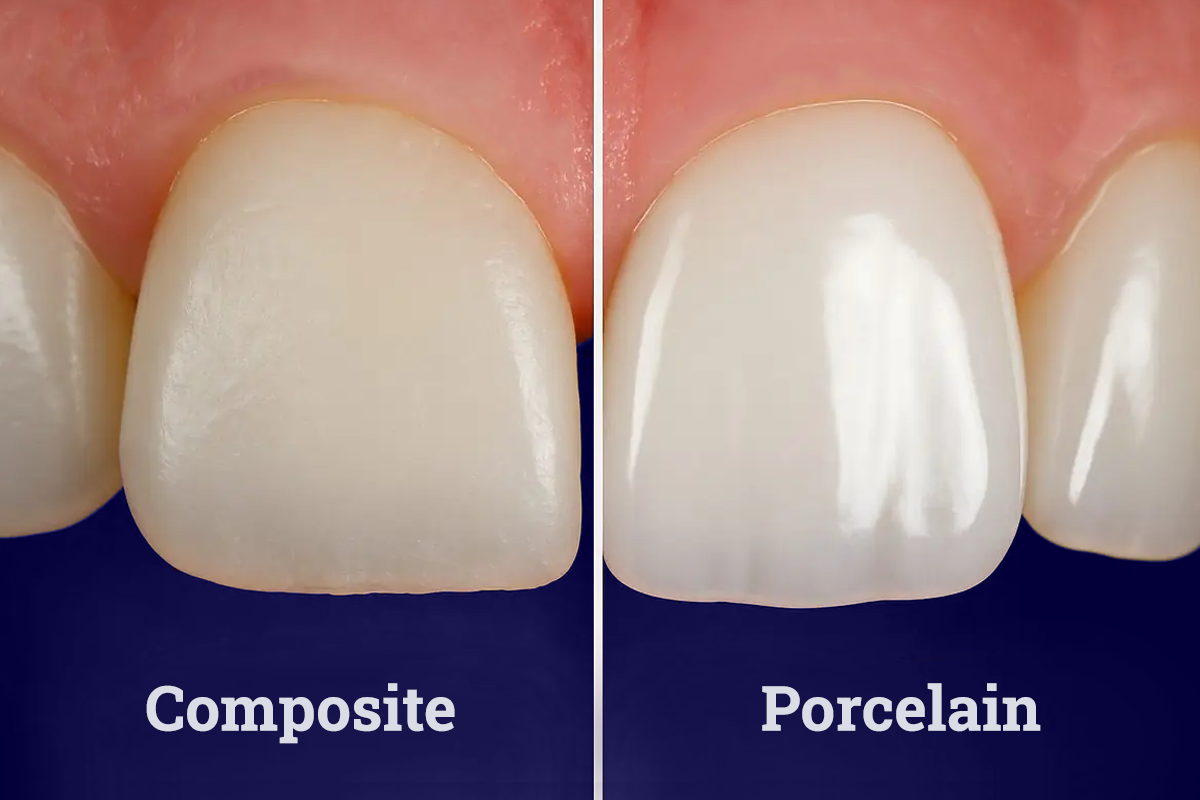
Porcelain and Composite Options
There are two common types of veneer materials: porcelain and composite resin.
Porcelain veneers are thin, custom-made shells that cover the front surface of teeth. They are often chosen for their natural appearance, stain resistance, and long-term cosmetic results. They usually require more planning and may involve enamel reshaping before placement.
Composite veneers use tooth-colored resin that is applied and shaped directly on the tooth. This option costs less that porcelain options and does not require enamel removal. However, composite may stain, chip, or wear faster than porcelain.
The right material depends on your smile goals, budget, tooth condition, bite, and how long you want the result to last.
Main Factors That Affect Pricing
Several factors can change the final cost of treatment.
Common cost factors include:
Number of teeth being treated
Porcelain vs. composite material
Front tooth vs. side tooth placement
Amount of enamel reshaping needed
Tooth shade and smile design planning
Dental lab customization
Condition of teeth and gums
Bite alignment and grinding habits
Need for whitening before treatment
Replacement of old bonding or restorations
Complexity of the final smile design
A patient treating one chipped front tooth will have a different cost than someone planning a full smile makeover across several visible teeth.
Cost Per Tooth vs. Full Smile Makeover
Many patients start by asking about the cost per tooth. This is helpful, but it does not always show the full picture.
If only one tooth is chipped, stained, or uneven, a single veneer may be enough. If several front teeth are different sizes, shapes, or shades, the dentist may recommend treating multiple teeth so the result looks balanced.
A full set usually refers to several upper front teeth that show when you smile. Some patients only need four to six restorations, while others may need eight, ten, or more depending on smile width and goals.
The more teeth involved, the higher the overall cost. However, treating the right number of teeth can create a more natural and even result.

Ready for a Smile You'll Love?
Book Your ConsultationFront Teeth and Smile Design Planning
Front teeth are the most visible part of the smile, so cosmetic planning matters. The dentist must consider tooth color, shape, length, gumline, facial features, and how the teeth show when you talk or smile.
This is why front teeth treatment may require careful shade matching and design. A veneer that looks too white, too bulky, or the wrong shape can stand out. The goal is to create a natural-looking result that fits your face, not a one-size-fits-all smile.
If your main goal is a complete appearance change, cosmetic dentistry may help you compare veneers, bonding, whitening, crowns, and other smile enhancement options.
Dental Lab and Material Quality
Porcelain restorations are often created with help from a dental lab. The lab may customize the size, shape, color, translucency, and surface texture so the final result looks more like natural enamel.
This level of customization can affect the price. Higher-quality materials and detailed lab work may cost more, but they can also improve the final appearance and durability.
Composite resin is usually shaped directly in the mouth, which may reduce lab involvement. That can make it more affordable, but it may not provide the same stain resistance or lifespan as porcelain in many cases.
Pre-Treatment Dental Health
Healthy teeth and gums are important before cosmetic work. If you have cavities, gum disease, infection, weakened enamel, or bite problems, those issues may need treatment first.
For example, inflamed gums can affect how the final restoration fits near the gumline. Tooth decay must be treated before any cosmetic covering is placed. Severe grinding may also need a nightguard or a different treatment plan to protect the result.
A consultation helps confirm whether your mouth is ready for cosmetic treatment or whether preventive care should come first. For routine exams and cleanings, preventive dental care may be a good starting point.
Whitening Before Choosing a Shade
Teeth whitening can be an important step before choosing the final shade. Veneer material does not whiten the same way natural enamel does, so the shade selected during treatment usually stays the same.
If you whiten your natural teeth after the restorations are placed, your natural teeth may become lighter while the cosmetic material stays unchanged. This can create a mismatched effect.
For that reason, patients who want a brighter smile may be advised to complete professional teeth whitening before final shade selection.
Comparing Veneers With Bonding and Crowns
Veneers are not the only option for improving tooth appearance. In some cases, dental bonding or crowns may be better.
Bonding uses tooth-colored resin to repair small chips, close minor gaps, or smooth uneven edges. It is often more affordable, but it may stain or wear faster than porcelain.
Crowns cover the entire visible part of a tooth. They are usually recommended when a tooth needs more strength or protection, not just cosmetic improvement.
Veneers mainly cover the front surface of teeth and are commonly used for cosmetic changes involving color, shape, size, and symmetry.
Insurance and Payment Considerations
Dental insurance often does not cover treatment when it is considered cosmetic. However, coverage can vary depending on your plan and the reason treatment is recommended.
If a tooth is damaged or needs restoration for functional reasons, insurance may review the case differently than a purely cosmetic smile makeover. Your dental office can help explain what may or may not be covered based on your benefits.
Some patients ask about payment plans or financing because cosmetic treatment can be a larger investment. During your consultation, the team can explain available options and provide a personalized estimate.
Long-Term Value and Maintenance
The cost should also be viewed in relation to lifespan, appearance, maintenance, and future replacement needs. Porcelain options may cost more upfront but often last longer with proper care. Composite options may cost less initially but often need more frequent touch-ups or replacement.
To protect your results:
Brush twice daily
Floss every day
Visit the dentist regularly
Avoid biting hard objects
Do not use your teeth as tools
Wear a nightguard if recommended
Limit stain-causing habits
Address grinding or bite issues early
Good home care and regular dental visits can help protect your investment over time.
A Personalized Estimate Matters Most
Online cost ranges can give you a general idea, but they cannot replace a dental exam. Your final price depends on your teeth, gums, smile goals, treatment materials, and how many restorations are needed.
A consultation usually includes an evaluation of tooth shape, enamel, gum health, bite alignment, shade goals, and whether other treatment is needed first.
If you want a realistic estimate, schedule a visit with a cosmetic dentist who can review your specific case and explain your options clearly.
Final Thoughts
The cost of veneers depends on material type, number of teeth, cosmetic goals, dental lab customization, oral health, and treatment complexity. Porcelain usually costs more than composite, while a full smile makeover costs more than treating one tooth.
The best option is not always the cheapest or most expensive choice. The right plan should match your smile goals, protect your oral health, and create a result that looks natural.
If you are ready to improve stained, chipped, uneven, or gapped front teeth, a consultation can help you compare porcelain veneers, composite bonding, whitening, and other cosmetic options.
Schedule a Veneers Consultation
If you want to understand your exact cost, schedule a consultation today to discuss your tooth shape, shade goals, smile design, and treatment options.
If You're Considering Veneers in Chicago
We'd love to help you explore your options. Call us at (224) 249-5977 or book online, and let's design a smile that feels like you.