Call or Text

How to Straighten Your Teeth Without Braces


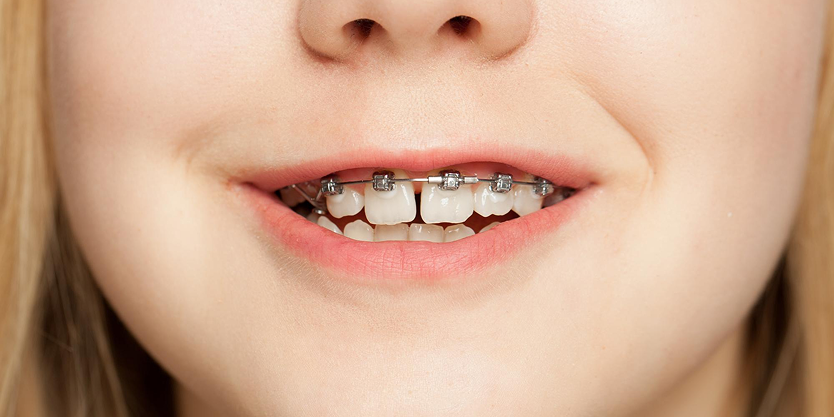
Learn how to straighten teeth without braces using clear aligners, Invisalign, bonding, or veneers. Explore treatment options and suitability.
If you want straighter teeth but do not want traditional metal braces, you may have other treatment options. Clear aligners are one of the most common ways to straighten teeth without braces because they gradually move teeth using a series of removable trays.
Other treatments, such as dental bonding and veneers, can improve the appearance of slightly crooked or uneven teeth, but they do not actually move the teeth. The right option depends on your tooth position, bite, gum health, and the changes you want to make.
Teeth Straightening Options Without Traditional Braces
There are several alternatives to braces, but each works differently.
| Option | Moves Teeth? | Commonly Used For |
|---|---|---|
| Clear aligners | Yes | Crooked teeth, crowding, gaps, selected bite concerns |
| Invisalign | Yes | Professionally planned clear aligner treatment |
| Retainers | Limited | Minor shifting after previous orthodontic treatment |
| Dental bonding | No | Small gaps, uneven edges, minor cosmetic concerns |
| Veneers | No | Improving visible tooth shape, size, color, and minor unevenness |
The biggest difference is that clear aligners and other orthodontic treatments move teeth, while bonding and veneers mainly change how teeth look.
Clear Aligners: The Main Alternative to Braces
Clear aligners are removable trays made to gradually guide teeth into planned positions. Treatment usually begins with a dental examination and digital dental scan.
A series of aligner trays is then created based on your treatment plan. Each set applies controlled pressure to move selected teeth over time.
Clear aligners may be used for:
Crooked teeth
Crowded teeth
Gaps between teeth
Mild spacing concerns
Selected overbites
Selected underbites
Certain crossbites
Clear aligners are removable, which can make eating, brushing, and flossing easier than with fixed braces. However, they need to be worn consistently for treatment to progress as planned.
More complex orthodontic problems may still require traditional braces or additional treatment.
Invisalign and Other Clear Aligner Systems
Invisalign is one of the most recognized clear aligner systems, but other professionally supervised clear aligner treatments are also available.
Invisalign treatment uses custom removable trays to gradually move teeth. It may be suitable for many cases of crowding, spacing, crooked teeth, and selected bite concerns.
Before recommending Invisalign or another clear aligner system, a dentist or orthodontist may evaluate:
Tooth position
Amount of crowding
Size of gaps
Bite alignment
Gum health
Bone support
Previous orthodontic treatment
The brand of aligner is only one part of treatment. Proper diagnosis, planning, and professional monitoring are also important.
Clear Aligners vs Traditional Braces
Both clear aligners and traditional braces can straighten teeth, but they work differently.
| Clear Aligners | Traditional Braces |
|---|---|
| Removable | Fixed to the teeth |
| Less noticeable | More visible |
| Removed during meals | Stay on while eating |
| Easier access for brushing and flossing | Requires cleaning around brackets |
| Requires consistent wear | Works continuously |
| Suitable for many selected cases | Can manage many complex orthodontic cases |
Neither option is automatically better.
Clear aligners may be a good braces alternative for many mild to moderate cases, while traditional braces may provide better control for certain complex tooth movements or bite problems.
Dental Bonding for Slightly Crooked Teeth
Dental bonding can improve the appearance of slightly uneven teeth without orthodontic treatment.
A tooth-colored composite material is added and shaped to improve the tooth's visible contour.
Bonding may help with:
Small gaps
Uneven tooth edges
Slight differences in tooth shape
Minor chips
Small cosmetic irregularities
However, bonding does not straighten crooked teeth by moving them. It changes how the tooth looks.
If the underlying problem involves tooth position or bite alignment, clear aligners or another orthodontic treatment may be more appropriate.
Veneers for a Straighter Looking Smile
Dental veneers are thin restorations placed over the front surfaces of selected teeth.
They may help improve:
Slightly uneven teeth
Small gaps
Worn or chipped edges
Tooth shape
Tooth size
Discoloration
Veneers can make selected teeth appear more even, but they do not correct the actual position of the teeth or change the underlying bite.
For healthy teeth that require significant movement, orthodontic treatment may be a more appropriate option than changing the tooth structure purely for cosmetic reasons.
Closing Gaps and Treating Crowding Without Braces
Gaps and crowding are common reasons people look for ways to straighten teeth without braces.
Gaps Between Teeth
Clear aligners can gradually move teeth together to reduce many types of spacing.
For very small cosmetic gaps, dental bonding or veneers may also be considered. These treatments change tooth shape rather than moving the teeth.
Crowded Teeth
Clear aligners may also help straighten crowded teeth by gradually moving them into better positions.
The amount of crowding matters. Mild or moderate crowding may be suitable for removable aligners, while more complex cases may require traditional orthodontic treatment.
A dental or orthodontic evaluation is important before deciding which approach is appropriate.
Who May Be a Good Candidate for Clear Aligners?
Clear aligners may be suitable for adults and teens with certain orthodontic concerns.
Potential candidates may have:
Mild to moderate crooked teeth
Crowded teeth
Gaps or dental spacing
Selected bite concerns
Healthy teeth and gums
Good oral hygiene
The ability to wear aligners consistently
Clear aligners may not be appropriate for every case. Significant crowding, complex tooth rotation, severe bite problems, or active gum disease may require a different treatment approach.
Clear Aligner Treatment Process
Clear aligner treatment generally follows a few main steps.
Dental examination: Your teeth, gums, and bite are evaluated.
Digital scan: A digital model of your teeth may be created for treatment planning.
Treatment plan: Planned tooth movements are developed based on your orthodontic needs.
Clear aligner trays: You receive a series of removable trays and change them according to your treatment schedule.
Progress visits: Your dentist or orthodontist monitors how your teeth are moving.
Retainer: After treatment, a retainer is typically recommended to help maintain the new tooth positions.
Your exact treatment process may vary depending on your orthodontic needs.
How Long Does Clear Aligner Treatment Take?
Clear aligner treatment time varies from person to person.
Minor alignment concerns may take several months, while more involved cases can take longer. Factors that influence treatment time include:
Amount of tooth movement required
Crowding
Tooth rotations
Gaps
Bite correction
Number of aligners needed
How consistently the aligners are worn
Because every case is different, your treatment provider can give you a more useful timeline after examining your teeth and planning the required movement.
Choosing the Right Teeth Straightening Option
The right treatment depends on whether your concern involves actual tooth position or mainly appearance.
If your teeth need to move:
Clear aligners or traditional braces may be considered.
If you have a small cosmetic gap or uneven edge:
Dental bonding may be an option.
If you want to improve tooth shape, size, color, and minor visible unevenness:
Veneers may be considered in selected cases.
If you have complex crowding or bite problems:
Traditional braces or specialist orthodontic treatment may be more appropriate.
A dental examination can help determine which teeth-straightening option fits your oral health and treatment goals.
Ready to Straighten Your Smile Without Braces?
Clear aligners may help improve crooked teeth, crowding, gaps, and selected bite concerns without traditional metal braces. A consultation can help determine whether clear aligners are suitable for your teeth and bite.