Call or Text

Same-Day Crown vs. Traditional Crown: Which Option Is Right for You?

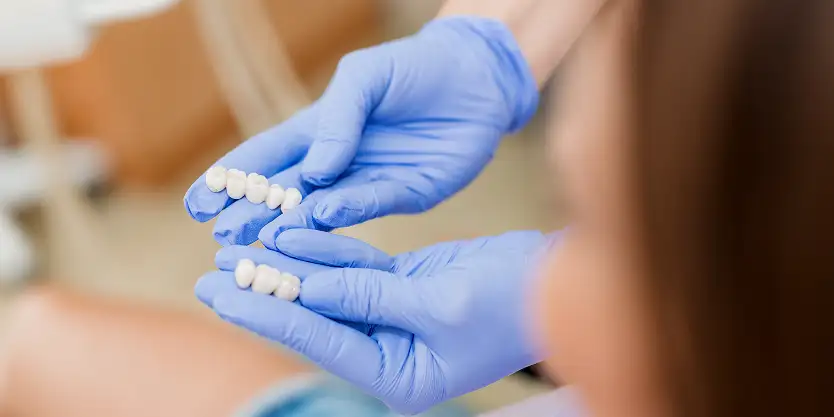
A dental crown can restore and protect a tooth that has been weakened by decay, a fracture, a large filling, wear, or previous dental treatment. Today, patients may have more than one way to receive that restoration.
A dental crown can restore and protect a tooth that has been weakened by decay, a fracture, a large filling, wear, or previous dental treatment. Today, patients may have more than one way to receive that restoration.
At Dentistry at Millennium Park, we provide both traditional dental crowns and same-day crowns. A traditional crown is typically completed over two visits, while eligible same-day crowns can be digitally designed, milled in our Chicago office, and placed during one appointment.
The main difference between same-day crowns and traditional crowns is the way the restoration is created and delivered. One option is not automatically better for every tooth. The right choice depends on the location and condition of the tooth, restorative material, bite, cosmetic needs, and the complexity of your case.
Understanding Dental Crowns
A dental crown is a custom restoration that covers most or all of the visible portion of a prepared tooth.
A crown may be considered when a tooth has:
Extensive decay
A crack or fracture
Significant wear
A large existing filling
Structural weakness
Undergone root canal treatment and needs additional protection
A dental implant that needs a final restoration
A role in supporting certain dental bridges
At DATMP, crowns are made with tooth-coloured materials such as porcelain and ceramic, with material selection based on the tooth, bite, and appearance needed.
A crown is not necessary for every damaged tooth. Depending on how much healthy tooth structure remains, a filling, inlay & onlay, or another restoration may sometimes be appropriate.
Traditional Dental Crowns
A traditional crown is generally completed over two appointments.
During the first visit, we prepare the tooth so the restoration will fit appropriately. We then take a digital impression and place a temporary crown to protect the tooth while the final restoration is being made.
At the second visit, the permanent crown is placed, its fit and bite are checked, and it is bonded or cemented into position. This is the traditional workflow currently described by Dentistry at Millennium Park.
Traditional Dental Crown Benefits
A traditional crown can be particularly useful when a case requires laboratory fabrication or additional customization.
Potential traditional dental crown benefits include:
Access to a broader laboratory workflow
Detailed customization of shade and shape
Options for cases with more complex restorative requirements
Additional flexibility for highly visible teeth
Suitability for cases where an in-office same-day restoration is not recommended
DATMP specifically notes that some complex or highly cosmetic front-tooth situations may be better suited to a lab-crafted crown.
The tradeoff is that traditional crown treatment normally requires a second appointment and a temporary restoration between visits.
Send us a message
Same-Day Dental Crowns
A same-day crown is designed to complete the crown process during a single appointment when the tooth and clinical situation are suitable.
At Dentistry at Millennium Park, the process begins with a digital scan of the tooth. The crown is then designed digitally and milled in the office from tooth-coloured ceramic before being bonded into place.
This approach can eliminate the waiting period between crown preparation and final placement.
Same-Day Dental Crown Benefits
For appropriate cases, the main same-day dental crown benefits are related to convenience and the digital workflow.
They may include:
One crown appointment instead of two
No temporary crown in eligible cases
Digital scanning
In-office crown design
In-office milling
Tooth-coloured ceramic material
Final restoration placed during the same visit
This can be particularly convenient for people who work or live in downtown Chicago and would prefer to reduce the number of dental appointments required for crown treatment.
Same-day availability should not be interpreted to mean the treatment is appropriate for every tooth. DATMP offers same-day crowns for many situations but specifically notes that some cases are better suited to a traditional laboratory-made restoration.
Traditional Crown vs. Same-Day Crown: Key Differences
The easiest way to compare a traditional crown vs. same-day crown is to look at the treatment workflow.
| Same-Day Crown | Traditional Crown |
|---|---|
| Often completed in one visit | Typically completed over two visits |
| Uses a digital scan | DATMP also uses a digital impression for traditional crowns |
| Designed digitally in the office | Final restoration is fabricated outside the chairside workflow |
| Milled in the dental office | Custom crown is made between appointments |
| Usually no temporary crown in eligible cases | Temporary crown protects the tooth between visits |
| Tooth-coloured ceramic | Material selection can vary according to the case |
| Suitable for many restorative situations | May be preferable for selected complex or highly cosmetic cases |
The treatment process is different, but both approaches have the same basic goal: restoring and protecting a damaged or weakened tooth.
Digital Scanning and In-Office Crown Design
Digital dentistry is one of the main differences between same-day and conventional crown workflows.
For a same-day crown at DATMP, the prepared tooth is digitally scanned. That information is used to create a computerized design for the crown.
The restoration is then milled from a solid block of tooth-coloured ceramic inside the practice. Once the dentist evaluates the fit, shape, bite, and appearance, the crown can be bonded to the tooth.
Digital technology can support crown design and workflow efficiency, but it does not remove the need for professional judgment. The dentist still needs to decide whether a same-day restoration is clinically appropriate.
Temporary Crowns With Traditional Treatment
One important difference competitors sometimes overlook is the temporary restoration.
With a traditional crown, the prepared tooth usually needs protection while the permanent crown is being fabricated.
A temporary crown can help:
Protect the prepared tooth
Reduce exposure and sensitivity
Maintain tooth position
Allow temporary chewing function
Maintain appearance in visible areas
DATMP's traditional crown process includes placement of a temporary crown after the digital impression.
Temporary crowns are not intended to function exactly like permanent restorations. Patients should follow their dentist's eating and cleaning instructions until the final crown is placed.
Same-day crown treatment can avoid this temporary stage when the restoration can be completed during the same appointment.
Crown Materials and Appearance
The material used for a crown matters just as much as the way it is manufactured.
Dentistry at Millennium Park uses natural-looking porcelain and ceramic materials for dental crowns and selects materials according to the tooth, bite, and desired appearance.
Same-day crowns at DATMP are created from tooth-coloured ceramic.
Ceramics are widely used for crowns because of their tooth-coloured appearance and restorative properties. The ADA notes that different dental ceramics have different mechanical characteristics and clinical indications, which is why material selection should be based on where and how the restoration will be used.
That means the decision should not simply be “same-day or traditional.” The dentist also needs to determine what material and restoration design fit the individual tooth.
Choose the Right Crown for Your Smile
Whether you’re considering a same-day crown or a traditional dental crown, our team can help you understand your options and choose the right solution for your needs.
Same-Day Crowns for Front and Back Teeth
Same-day crowns can be used for many teeth, but tooth location can influence treatment planning.
Back Teeth
Molars and premolars experience considerable chewing forces. A ceramic same-day crown may be appropriate for many posterior teeth when the available material, remaining tooth structure, bite, and restorative space are suitable.
Front Teeth
Appearance can become a larger consideration for front teeth because shade, translucency, surface texture, and symmetry are more visible.
DATMP notes that certain complex or highly cosmetic front-tooth cases may be better suited to a lab-crafted crown.
This does not mean every front tooth requires a traditional crown. It simply means cosmetic and clinical complexity may influence which workflow is recommended.
Durability of Same-Day and Traditional Crowns
Patients frequently ask whether same-day crowns are as durable as traditional crowns.
There is no single lifespan that applies to either type.
Crown longevity can depend on:
Restorative material
Tooth location
Amount of remaining tooth structure
Bite forces
Teeth grinding or clenching
Oral hygiene
Gum health
Diet and habits
Fit of the restoration
Regular dental care
A same-day crown should not be considered inferior simply because it is made during one appointment, nor should a traditional crown be described as automatically longer-lasting.
The material and individual clinical situation matter more than the number of appointments required.
Comfort During Crown Treatment
The basic tooth preparation is similar because enough space must be created for the crown to fit.
Local anesthetic may be used to keep the treatment area comfortable during preparation.
With a traditional crown, there is also a period of wearing a temporary restoration before returning for the final crown.
With a same-day crown, the preparation, digital scan, fabrication, and placement can occur during the same appointment.
Some temporary sensitivity can occur after dental crown treatment. Persistent or worsening pain should be evaluated rather than assumed to be a normal part of healing.
Eating After Crown Placement
Once the permanent crown has been placed, follow the instructions provided by your dentist.
The timing of eating may depend on the cement or bonding material used and whether local anesthetic is still affecting your lips, cheeks, or tongue.
Avoid assuming that every same-day crown allows you to eat anything immediately after leaving the office.
Once cleared to eat normally, a crown is intended to restore everyday function, but biting ice, hard objects, or using teeth as tools can damage both crowns and natural teeth.
Cost and Dental Insurance
There is no universal rule that a same-day crown costs more or less than a traditional crown.
Crown fees can depend on:
Tooth being restored
Material
Complexity
Additional treatment required
Insurance benefits
Individual treatment plan
Dentistry at Millennium Park states that crown cost depends on the material and tooth being treated. DATMP is currently in-network with many major PPO plans and can review individual benefits before treatment.
Insurance coverage is determined by the patient's individual plan and should not be guaranteed in advance.
Choosing Between Same-Day and Traditional Crowns
Rather than asking “are same-day crowns better than traditional crowns?”, a more useful question is:
Which crown approach is appropriate for this particular tooth?
Factors we may consider include:
Location of the tooth
Extent of damage or decay
Remaining healthy tooth structure
Bite forces
Teeth grinding
Cosmetic expectations
Crown material
Complexity of the restoration
Whether additional laboratory customization would be useful
Patient scheduling preferences
For many suitable cases, a same-day crown offers the convenience of completing treatment in one visit.
For other situations, especially selected complex or highly aesthetic restorations, a traditional crown may provide a more appropriate workflow.
DATMP offers both approaches and recommends the option based on the individual tooth rather than assuming one method is right for everyone.
Same-Day and Traditional Dental Crowns in Chicago
At Dentistry at Millennium Park, we provide both traditional dental crowns and same-day crowns in Chicago.
Our same-day crowns are digitally scanned, designed, and milled in the office using tooth-coloured ceramic for suitable cases. Traditional crowns generally involve two appointments, with a temporary restoration protecting the prepared tooth between visits.
Our office is located at 8 S Michigan Ave, Suite 1800, Chicago, IL 60603, steps from Millennium Park and the Loop. We welcome patients from downtown Chicago, including the Loop, River North, South Loop, and West Loop.
If you have a cracked, heavily restored, worn, or significantly decayed tooth, we can evaluate it and discuss whether a filling, inlay or onlay, same-day crown, traditional crown, or another treatment may be appropriate.
Restore Your Tooth With the Right Crown Option
Same-day crowns provide a convenient digital option for many patients, while traditional crowns continue to be useful for cases that benefit from laboratory fabrication or additional customization.
At Dentistry at Millennium Park, we offer both so that the recommendation can be based on your tooth rather than simply on which technique is faster.