Call or Text

What Can You Eat and Drink With Invisalign?


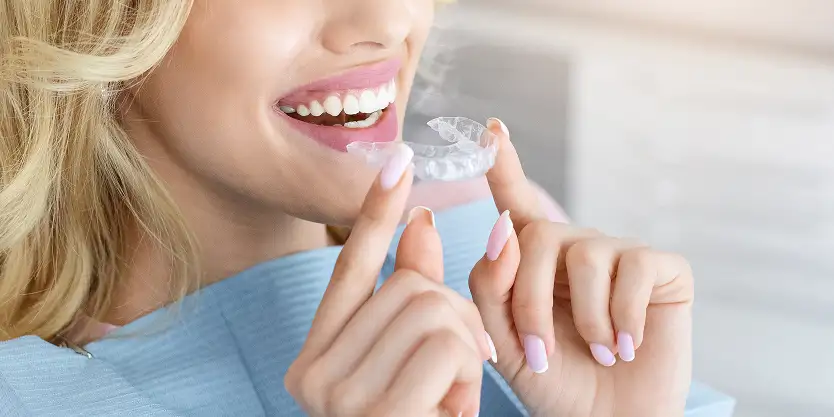
One of the practical advantages of Invisalign® treatment is that the aligners are removable. That means you usually do not have the same food restrictions associated with fixed braces.
One of the practical advantages of Invisalign® treatment is that the aligners are removable. That means you usually do not have the same food restrictions associated with fixed braces.
At Dentistry at Millennium Park, we advise patients to remove their Invisalign aligners before eating and before drinking anything other than water. Afterward, clean your teeth and put the aligners back in so you can stay close to the recommended daily wear time. DATMP currently recommends wearing Invisalign aligners about 20 to 22 hours per day.
So, if you are wondering what you can eat and drink with Invisalign, the short answer is: most foods are still available to you because the trays come out during meals.
Eating During Invisalign Treatment
There is not a strict Invisalign diet in the same way there can be with traditional braces.
Because there are no brackets or wires attached to the teeth, Invisalign patients can generally continue eating foods such as:
Apples
Carrots
Nuts
Popcorn
Corn on the cob
Sandwiches
Meat
Pasta
Rice
Salads
Pizza
Most other everyday foods
The important rule is to remove the aligners before eating.
The American Association of Orthodontists and Invisalign both advise removing clear aligners for meals. Invisalign specifically notes that there are no traditional food restrictions because the trays are removable.
Once your meal is finished, clean your teeth before reinserting the trays whenever possible.
Foods During the First Few Days With a New Aligner
When you begin Invisalign treatment or switch to a new set of trays, your teeth may feel temporarily tender or sensitive to pressure.
During that adjustment period, some patients prefer foods that require less chewing, such as:
Yogurt
Eggs
Pasta
Rice
Soup
Mashed potatoes
Soft vegetables
Smoothies
Soft fish
Oatmeal
You do not have to follow a soft-food diet throughout treatment.
The AAO notes that softer foods may simply be more comfortable when you first begin wearing aligners.
Drinking During Invisalign Treatment
The safest beverage to drink while your Invisalign trays are still in your mouth is plain water.
For coffee, tea, soda, juice, alcohol, milk, sports drinks, or other beverages, remove the aligners first.
DATMP's Invisalign guidance tells patients to take their trays out for eating and drinking, while orthodontic guidance from the AAO recommends water as the beverage that can be consumed while clear aligners remain in place.
This helps reduce concerns such as:
Liquid becoming trapped against the teeth
Sugar remaining beneath the aligners
Acid exposure
Staining of the trays
Odor
Changes in aligner clarity
Coffee and Invisalign
Coffee can still be part of your routine during Invisalign treatment.
Remove your trays before drinking coffee.
Coffee can stain clear aligners, and sweetened coffee may leave sugars trapped against the teeth if consumed while the trays are in place.
A practical routine is:
Remove your aligners.
Store them in their case.
Drink your coffee.
Rinse or clean your mouth.
Brush when practical.
Reinsert the trays promptly.
Avoid letting a coffee break become several hours without your aligners, since consistent wear is important for treatment progress.
Tea and Invisalign
Tea should generally be treated the same way as coffee.
Remove the aligners before drinking hot or iced tea.
Dark teas can contribute to staining, and sweetened tea exposes the teeth to sugar.
Hot beverages may also affect some clear aligner materials, so avoid drinking hot tea while your trays are in place.
After drinking tea, clean your teeth as appropriate and return the aligners to your mouth.
Soda and Sugary Drinks
Soda, energy drinks, sports drinks, and other sweetened beverages should be consumed without the aligners in place.
These drinks can contain sugar and acids that may remain trapped between the teeth and trays.
That prolonged exposure can contribute to tooth decay and enamel erosion.
Removing the aligners does not make sugary drinks harmless to your teeth, so moderation and good oral hygiene still matter.
Juice and Smoothies
Fruit juice and smoothies should also be consumed after removing the trays.
Even drinks that are marketed as healthy can contain natural sugars and acids.
If these liquids become trapped under the aligners for long periods, the teeth may receive extended exposure.
After finishing the drink, rinse with water and clean your teeth before replacing the aligners when possible.
Sparkling Water and Flavored Water
Plain water is the simplest choice while wearing Invisalign.
Sparkling water and flavored waters may contain acids, sweeteners, sugar, or flavoring ingredients depending on the product.
Because formulations differ, it is safer to remove your aligners for anything other than plain water unless your dental provider has advised otherwise.
Lemon water should also be treated more like an acidic beverage than plain water.
Send us a message
Alcohol During Invisalign Treatment
Adults undergoing Invisalign treatment can still consume alcoholic beverages if otherwise appropriate for them, but the trays should be removed first.
Wine, cocktails, beer, and other alcoholic beverages may contain acids, sugar, or pigments that could affect the teeth or trays.
Red wine in particular can stain clear aligners if consumed while they are being worn.
After drinking, rinse your mouth with water and clean your teeth before reinserting the aligners when possible.
Snacking and Daily Aligner Wear Time
Frequent snacking can become more inconvenient with Invisalign because every snack means removing and reinserting the trays.
DATMP advises patients to wear Invisalign for approximately 20 to 22 hours each day.
If you remove the aligners for:
Breakfast
Coffee
A mid-morning snack
Lunch
An afternoon drink
Dinner
Dessert
Evening snacks
it can become surprisingly easy to fall short of the recommended wear time.
Some patients find it easier to group meals and snacks rather than grazing throughout the day.
The goal is not to restrict food unnecessarily, but to leave enough time for the aligners to do their job.
Eating With Invisalign Attachments
Some Invisalign treatment plans include small tooth-colored attachments bonded to selected teeth.
The attachments remain on your teeth when you remove the trays for meals.
In general, you can continue eating normally, but avoid using your teeth to bite extremely hard objects or as tools.
Invisalign advises patients to avoid activities that place excessive pressure on the teeth because attachments can occasionally loosen. If an attachment comes off, contact your dental provider so they can determine whether it needs to be replaced.
Removing Invisalign Trays Before Meals
Learning how to remove Invisalign trays becomes easier with practice.
Before removing your aligners:
Wash or clean your hands when possible
Start loosening the tray near the back teeth
Work gently around the arch
Avoid pulling forcefully from only one point
Take additional care around attachments
If removing the trays is difficult, ask your dental team to demonstrate the technique.
Invisalign also offers aligner-removal tools designed to lift the appliance from the back edge when needed.
Do not use sharp household objects to pry the trays off.
Storing Invisalign During Meals
Whenever you remove your aligners, place them in their protective case.
Avoid:
Wrapping them in a restaurant napkin
Leaving them loose in a pocket
Putting them on a table
Leaving them in a hot car
Placing them near pets
A surprisingly common way aligners become lost is when they are wrapped in a tissue or napkin and accidentally thrown away.
Keeping the case with you makes the routine much easier.
Invisalign also recommends storing trays in a protective case when they are not being worn.
Eating at Restaurants With Invisalign
Eating out does not have to interfere with treatment.
A simple restaurant routine is:
Remove your aligners before eating.
Put them directly into their case.
Enjoy your meal normally.
Drink water during the meal when practical.
Clean your teeth before reinserting the trays.
Put the aligners back in promptly.
Carrying a small Invisalign kit can make eating away from home easier.
Useful items may include:
Aligner case
Travel toothbrush
Fluoride toothpaste
Floss
Bottled water
This is particularly useful for patients who work in downtown Chicago and spend much of the day away from home.
Make Invisalign Part of Your Daily Routine
Have questions about eating, drinking, cleaning your aligners, or maintaining your daily wear time? Schedule a complimentary Invisalign consultation with our team to learn how treatment can fit into your routine.
Invisalign Cleaning Routine
Your trays spend most of the day in your mouth, so regular cleaning is important.
A practical Invisalign cleaning routine includes rinsing and cleaning the aligners regularly according to the instructions provided by your dental team.
Invisalign recommends using a soft toothbrush and lukewarm water for routine cleaning and advises avoiding hot water because excessive heat can affect the aligner material.
Invisalign-branded cleaning products are also available, but you do not need to assume that every patient requires a specific commercial cleaner.
Follow the cleaning method recommended for your trays.
Hot Water and Invisalign Trays
Avoid cleaning Invisalign aligners with very hot or boiling water.
The trays are made from thermoplastic material, and excessive heat can affect their shape.
Invisalign recommends cleaning with lukewarm water instead.
The same principle is another reason not to drink very hot beverages while wearing the trays.
If an aligner appears distorted or suddenly no longer fits correctly, contact your dental provider rather than trying to reshape it yourself.
Cleaning Your Teeth Before Reinserting Aligners
The teeth underneath the aligners matter just as much as the trays themselves.
After eating:
Brush your teeth when possible
Floss regularly
Remove food from between the teeth
Rinse the trays before replacing them
The AAO recommends cleaning the teeth before aligners are placed back in after eating or drinking.
Putting aligners over food debris or sugary residue can keep that material in close contact with the teeth.
Maintaining good oral hygiene throughout orthodontic treatment helps reduce the risk of cavities, gum inflammation, and unwanted staining.
Maintaining 20 to 22 Hours of Daily Wear
The freedom to remove Invisalign trays only works when they are returned to the mouth consistently.
At Dentistry at Millennium Park, patients are instructed to wear their aligners about 20 to 22 hours each day.
That leaves only a limited amount of time each day for:
Meals
Drinks other than water
Brushing
Flossing
Cleaning the trays
If your trays are regularly left out for longer than directed, tooth movement may not follow the planned progression.
Wear instructions can vary by individual treatment plan, so follow the schedule DATMP provides for you.
Invisalign Care in Downtown Chicago
At Dentistry at Millennium Park, we provide Invisalign treatment using custom clear aligners created from a digital treatment plan.
Our patients remove their aligners for meals and drinks other than water, then wear them for most of the day and night as directed.
Our office is located at 8 S Michigan Ave, Suite 1800, Chicago, IL 60603, steps from Millennium Park in the Loop. We see Invisalign patients from the Loop, River North, South Loop, West Loop, and other parts of downtown Chicago.
If you are considering Invisalign in Chicago, your consultation is also an opportunity to ask about eating, drinking, cleaning your trays, wear time, attachments, and managing treatment around your daily routine.
Keep Invisalign Treatment Simple
You generally do not need to redesign your entire diet during Invisalign treatment.
The main routine is straightforward: remove your trays for food and beverages other than water, clean your teeth, clean the aligners as directed, and put them back in promptly.
Following those habits can help keep your trays cleaner while allowing you to stay closer to the daily wear schedule prescribed for your treatment.