Call or Text

What Is a Dental Crown and Why Is It Used?


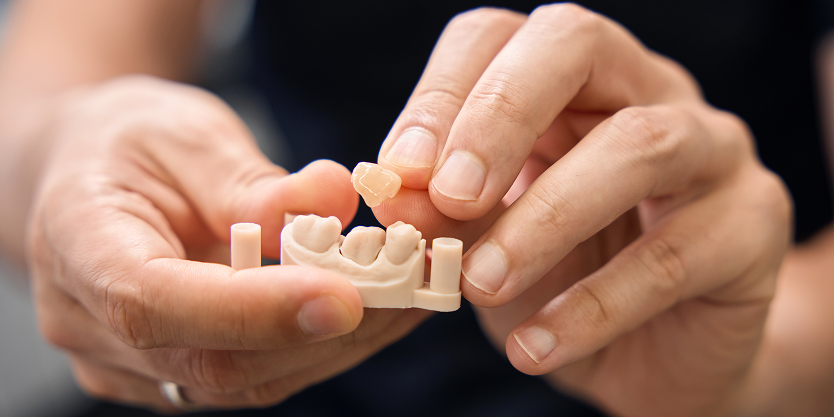
Learn what a dental crown is, why it’s used, how the procedure works, crown materials, care tips, and how long dental crowns can last.
A crown for teeth is a custom-made restoration that covers and protects a damaged or weakened tooth. Also called a tooth crown or dental cap, it helps restore the tooth’s shape, strength, function, and appearance.
Dental crowns are commonly recommended when a tooth has more damage than a regular filling can reliably repair.
Understanding Dental Crowns
A dental crown fits over the visible portion of a prepared tooth above the gumline.
Unlike a filling, which repairs only part of a tooth, a crown provides broader coverage. This makes it useful when a tooth has lost significant structure because of decay, fracture, wear, or previous dental treatment.
The natural tooth and its root remain underneath the crown.
Reasons a Tooth May Need a Crown
Dentists may recommend a crown for several restorative reasons.
Extensive Tooth Decay
Small cavities can often be treated with a dental filling. If decay affects a larger portion of the tooth, there may not be enough healthy structure left to support a filling.
A crown can provide additional coverage after the decay is removed.
Internal link: Link dental filling to your Dental Fillings service page.
Cracked or Broken Teeth
A cracked or broken tooth may become weaker under normal biting pressure.
Depending on the severity of the damage, a crown can help protect the remaining tooth structure and restore its function.
Large Dental Fillings
Teeth with very large fillings may have limited natural structure remaining.
If the tooth becomes weak, damaged, or fractured, a crown may provide more support than replacing the filling alone.
Worn Teeth
Grinding, clenching, erosion, or long-term wear can reduce the height and strength of a tooth.
A crown may be used to rebuild the tooth’s shape and chewing surface.
Root Canal Treatment
Some teeth need a crown after root canal treatment, particularly molars and premolars that experience strong chewing forces.
The crown helps protect and restore the treated tooth.
How a Dental Crown Protects a Tooth
The main purpose of a dental crown is to provide coverage and support for a weakened tooth.
A crown can:
Protect weakened tooth structure
Restore a broken or worn tooth
Rebuild normal tooth shape
Improve chewing function
Support a tooth with a large filling
Cover certain cracked teeth
Restore some root canal-treated teeth
Improve the appearance of a damaged tooth
A crown does not make the tooth indestructible. The natural tooth underneath can still develop decay or other problems.
The Dental Crown Procedure
Getting a crown generally involves preparing the tooth and placing a custom-made restoration.
Tooth Examination
The dentist first checks the damaged tooth, surrounding gums, bite, and remaining tooth structure.
Dental X-rays may be taken when needed.
Tooth Preparation
The tooth is reshaped so the crown can fit properly over it.
If a large amount of tooth structure is missing, the dentist may first rebuild part of the tooth.
Local anesthetic is typically used during this stage.
Impression or Digital Scan
An impression or digital scan records the prepared tooth and surrounding teeth.
This information is used to create a crown that fits properly and works with your bite.
Temporary Crown
If the permanent crown is being made by a dental laboratory, a temporary crown may be placed to protect the tooth between appointments.
Permanent Crown Placement
Once the final crown is ready, the dentist checks its fit, bite, shape, and appearance before cementing or bonding it into place.
Common Dental Crown Materials
Dental crowns can be made from different materials.
Porcelain and Ceramic
Porcelain and ceramic crowns provide a tooth-colored appearance and are often used where aesthetics are important.
Zirconia
Zirconia is a strong ceramic material commonly used for both front and back teeth.
Porcelain Fused to Metal
These crowns combine a metal base with a tooth-colored porcelain exterior.
Metal Crowns
Metal crowns are durable and may be used on back teeth where appearance is less important.
The right material depends on the location of the tooth, bite pressure, remaining tooth structure, and cosmetic needs.
Dental Crown vs. Filling
A filling and a crown both restore damaged teeth, but they are used in different situations.
A filling repairs a specific area of damage and is usually suitable when enough healthy tooth structure remains.
A crown covers a larger portion of the tooth and is generally considered when the tooth needs more protection or support.
For moderate damage, an inlay or onlay may sometimes be considered instead of a full crown.
Caring for a Dental Crown
A crowned tooth should be cared for like a natural tooth.
Good crown care includes:
Brushing twice daily
Cleaning between teeth every day
Attending regular dental exams
Avoiding chewing ice and very hard objects
Avoiding using teeth to open packaging
Wearing a nightguard if recommended for grinding or clenching
Cleaning around the crown margin is especially important because the natural tooth underneath can still develop decay.
How Long Do Dental Crowns Last?
Dental crowns can remain functional for many years, but their lifespan varies.
Factors that affect crown longevity include:
Crown material
Oral hygiene
Bite pressure
Grinding or clenching
Diet and chewing habits
Condition of the underlying tooth
Fit of the restoration
Regular dental exams allow your dentist to check the crown and surrounding tooth structure for wear or damage.
Signs a Dental Crown May Need Attention
A crown should be evaluated if it:
Becomes loose
Cracks or chips
Causes persistent discomfort
Feels different when biting
Develops visible damage
Has decay forming around its edge
Early evaluation may help prevent further damage to the underlying tooth.
Conclusion
A crown for teeth helps protect and restore a tooth that has been weakened by decay, cracks, fractures, large fillings, wear, or previous dental treatment.
Whether you need a crown depends on how much healthy tooth structure remains and the extent of the damage. A dental examination can determine whether a crown, filling, inlay, onlay, or another restoration is the most suitable option.