Call or Text


Tags :
#RetainerWhat Is a Retainer? Types, Uses, and Why You Need One


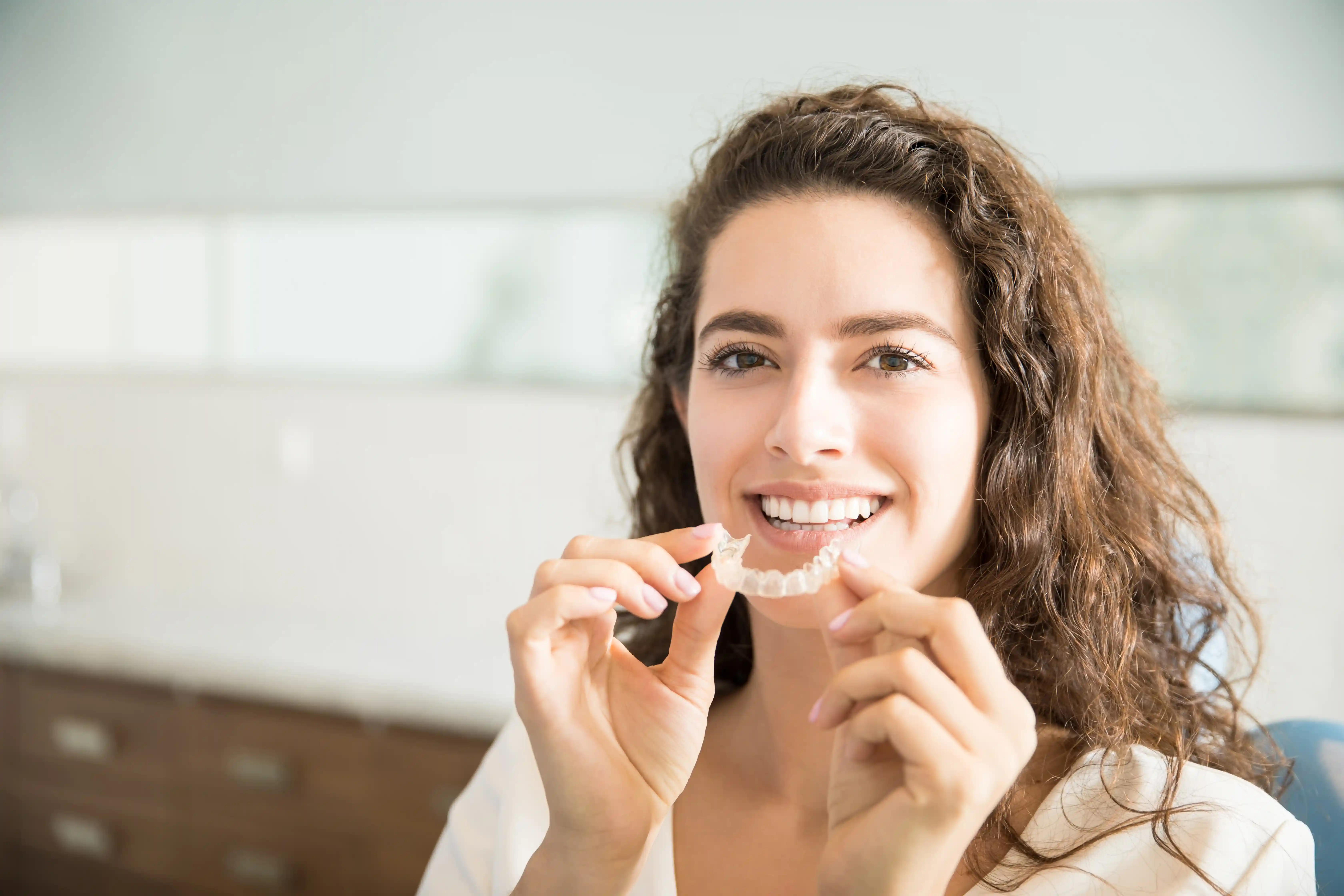
A retainer is a custom dental appliance that helps keep your teeth in their corrected position after braces, clear aligners, or other teeth-straightening treatment. After orthodontic treatment, teeth can naturally shift over time, so wearing this appliance as directed helps protect your smile alignment.
Retainers may be removable or fixed behind the teeth. Some look like clear trays, while others use acrylic and wire or a thin bonded wire. The right option depends on your treatment history, bite, tooth movement, age, and your dentist or orthodontist’s recommendation.
If you recently completed clear aligner treatment or are planning to straighten your teeth, our team can help clear aligners can help you understand how aligners and post-treatment maintenance work together.
Keeping Teeth Straight After Orthodontic Treatment
Teeth are not completely locked in place after braces or clear aligners. The bone, gums, and tissues around the teeth need time to stabilize after movement. Without proper retention, teeth may slowly move back toward their old position.
This is why a dentist or orthodontist may recommend wearing a custom appliance after treatment. Its job is not to straighten teeth like braces or aligners. Instead, it helps hold the teeth in position and reduce unwanted shifting.
Some patients wear their appliance full-time at first and then switch to nighttime wear. Others may need a fixed wire behind the teeth for long-term support. Your provider will give instructions based on your case.
Main Types of Retainers
There are two main categories: removable and fixed. Each type has its own advantages, care needs, and limitations.
The most common types include:
Clear plastic retainers
Hawley retainers
Permanent or fixed retainers
Bonded wire retainers
Night retainers
Custom retainers after braces
Custom retainers after clear aligners
Your dentist or orthodontist may recommend one type for the upper teeth and another type for the lower teeth. The best choice depends on your bite, tooth position, treatment results, and how likely your teeth are to shift.
Clear Retainers
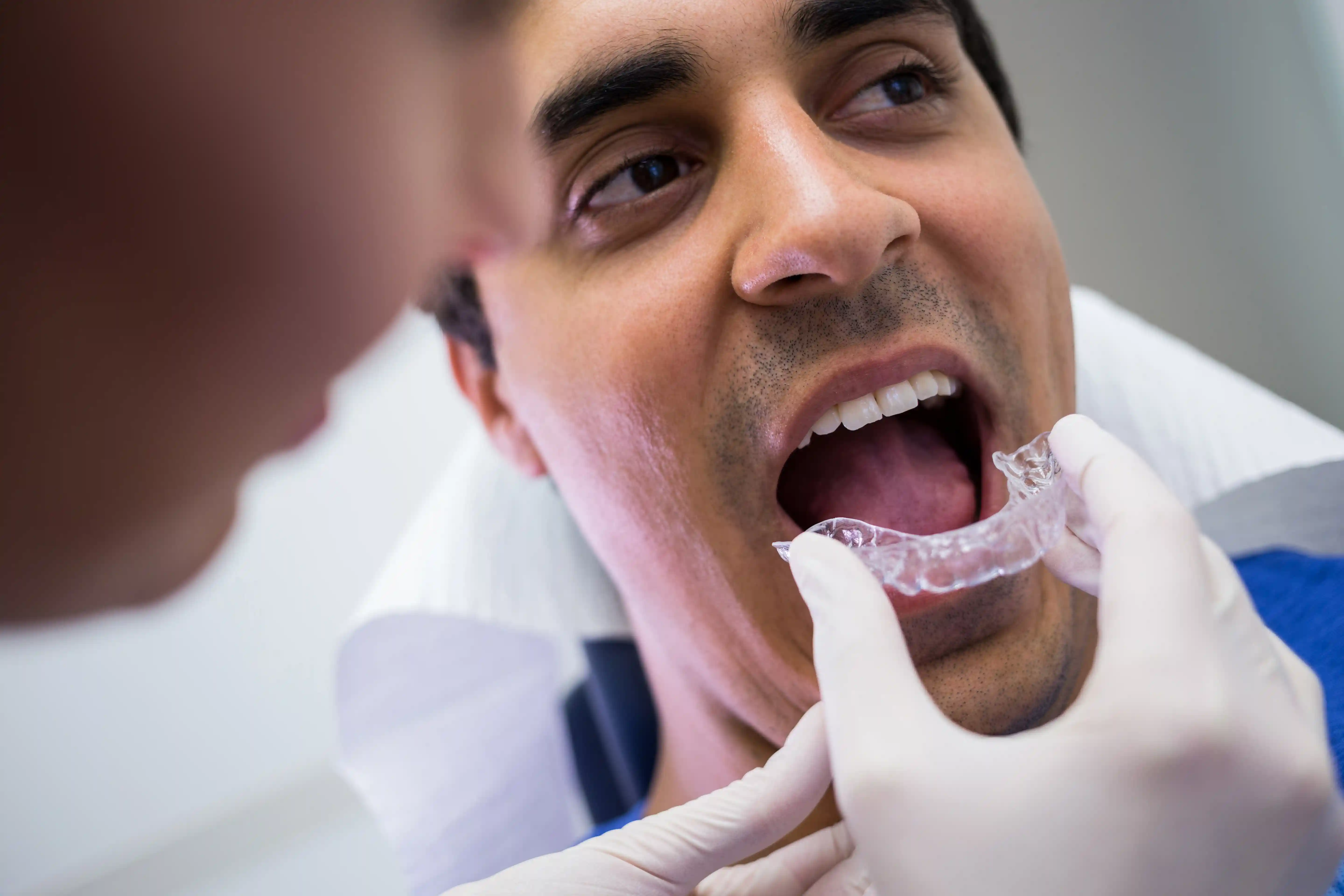
A clear retainer is a removable plastic tray that fits closely over the teeth. It looks similar to a clear aligner, but it is designed to hold teeth in position rather than move them.
Clear trays are popular because they are discreet, custom-fit, and easy to wear. They are often used after braces, clear aligners, or SureSmile treatment. Patients usually remove them for eating, drinking anything other than water, brushing, and flossing.
Clear trays can wear out, crack, stain, or lose their shape over time. They should be stored in a case when not in use and replaced if they become damaged or no longer fit properly.
Hawley Retainers
A Hawley retainer is a removable appliance made with acrylic and a metal wire that sits across the front teeth. The acrylic portion usually rests against the roof of the mouth for the upper teeth or behind the lower teeth.
This type has been used for many years because it is durable and adjustable in some cases. It may be recommended when a provider wants a removable option that can be repaired or modified more easily than a clear tray.
The metal wire is more visible than a clear appliance, but the design can be reliable when worn and cared for properly.
Fixed or Permanent Retainers
A fixed retainer is a thin wire bonded behind the teeth, usually on the lower front teeth. It is sometimes called a permanent retainer, but “permanent” does not mean it lasts forever or never needs attention.
This type is useful because it works without the patient needing to remember to put it in every night. However, it requires careful cleaning around the wire. Plaque and tartar can build up if brushing and flossing are not done properly.
If the wire breaks, bends, or feels loose, a dentist should check it. A broken fixed wire may stop holding the teeth correctly and can allow shifting.
Retainers After Braces
After braces are removed, teeth need support to stay in their new position. A post-braces appliance helps maintain the alignment created during treatment.
Your dentist or orthodontist may recommend a removable tray, a Hawley appliance, a bonded wire, or a combination. For example, some patients may wear a clear tray at night and also have a fixed wire behind the lower teeth.
Skipping wear instructions can allow teeth to shift. Even small movement can affect the way your smile looks and how your bite feels.
We'll make sure your smile stays right where it should
Whether you've just finished treatment or need to replace an old retainer, call or text us at (224) 249-5977 or book online.
Retainers After Clear Aligners
Clear aligners move teeth gradually, but once treatment ends, the teeth still need to be held in place. A custom appliance after aligner treatment helps maintain the final result.
This is especially important after SureSmile, Invisalign-style treatment, or other clear aligner systems. The trays used during active treatment are not always the same as post-treatment retention appliances, so your provider will explain what to wear after your final aligner.
If you are considering removable clear aligners, SureSmile can help you learn more about discreet teeth straightening options.
Adults and Teens May Both Need Retainers
Retainers are not only for teenagers. Adults who complete braces or clear aligner treatment also need retention. Teeth can shift at any age, especially if there is pressure from the bite, grinding, gum changes, missing teeth, or inconsistent wear.
Teens may need extra support building a routine so they do not lose or forget their appliance. Adults may prefer clear trays because they are discreet and easy to fit into daily life.
The main goal is the same for both groups: protect the time, cost, and effort invested in straightening the teeth.
Daily Wear and Long-Term Use
Wear time depends on your provider’s instructions. Some patients may need to wear a removable appliance most of the day at first. Later, they may switch to nighttime wear.
Long-term nighttime use is common because teeth can continue to shift over time. Stopping too early may allow small changes that become more noticeable later.
If your appliance feels tight, uncomfortable, cracked, or does not fit all the way, do not force it. Contact your dental office for guidance. You may need an adjustment, replacement, or evaluation for tooth movement.
Cleaning and Caring for Your Appliance
Good care helps keep your appliance clean, fresh, and effective. A dirty tray or wire can collect plaque, bacteria, odor, and buildup.
Basic care tips include:
Rinse removable appliances after taking them out
Brush gently as directed by your provider
Store removable trays in a case
Keep them away from heat
Do not wrap them in napkins
Do not eat while wearing removable trays
Brush and floss carefully around fixed wires
Bring your appliance to dental visits when needed
Replace it if it cracks, warps, or no longer fits
For routine exams and cleanings, routine dental checkups can help you maintain healthy teeth and gums while using an orthodontic appliance.
Eating, Drinking, and Daily Habits
Most removable appliances should be taken out before eating. Food can damage, stain, or distort the material. Drinking water is usually fine, but dark or sugary drinks may stain trays or increase plaque risk if they sit against the teeth.
Avoid placing a removable appliance in hot water, a hot car, or near heat because plastic can warp. A warped tray may not fit properly and may not hold teeth in the correct position.
A retainer case is important. Many appliances are lost because they are wrapped in a tissue or left on a lunch tray.
Signs You May Need a Replacement
A dental retainer may need replacement if it no longer fits, feels painful, has cracks, smells bad even after cleaning, or looks warped. A fixed wire may need repair if it feels loose, catches floss, or one side comes unbonded.
Common replacement signs include:
The tray feels too tight
The appliance will not seat fully
Cracks or holes appear
The plastic looks warped
The wire feels loose
Teeth look like they are shifting
The appliance is lost
Buildup will not clean off
It causes irritation or pain
A dentist or orthodontist can check whether the appliance can be repaired or needs to be replaced.
Retainers and Smile Maintenance
A retainer helps protect tooth alignment, but it does not replace regular dental care. Teeth and gums still need brushing, flossing, checkups, and professional cleanings.
Some patients also choose cosmetic care after alignment is complete. For example, once teeth are straight, teeth whitening may help brighten the smile. If tooth shape, size, or deep discoloration is still a concern, cosmetic dentistry can help you explore other options.
The best long-term results come from combining retention, oral hygiene, and regular dental visits.

Keep Your Smile in Place
Book Your ConsultationFinal Thoughts
A retainer is an important part of keeping teeth straight after braces or clear aligners. It helps maintain your new tooth position and reduces the chance of unwanted shifting over time.
Clear trays, Hawley appliances, and fixed wires can all be effective when used correctly. The right option depends on your teeth, bite, treatment history, and daily habits.
If your appliance is lost, broken, tight, or uncomfortable, schedule a dental visit instead of waiting. Early attention can help protect your smile alignment and avoid bigger changes later.
Schedule a Smile Alignment Consultation
If you are interested in clear aligners, post-treatment maintenance, or a replacement dental retainer, schedule a visit with us. We'll review your smile and recommend the right next step.