Call or Text


Tags :
#Dental BondingWhat Is Dental Bonding? Uses, Benefits, and Cost



Dental bonding is a cosmetic treatment that uses tooth-colored composite resin to repair small chips, minor cracks, small gaps, uneven edges, and discoloration. The resin is shaped directly on the tooth, hardened, and polished so it blends with your natural smile.
This treatment is often used on front teeth when a patient wants a conservative way to improve tooth shape or appearance. It can be a good option for small cosmetic concerns, while veneers or crowns may be better for larger changes or stronger tooth protection.
Unlike some cosmetic treatments, this procedure usually does not require major enamel removal. That makes it a conservative option for patients who want a simple smile improvement without a more involved treatment plan.
If you want to improve a chipped, gapped, or uneven tooth, cosmetic dentistry can help you compare bonding, veneers, whitening, and other smile improvement options.
Common Smile Concerns This Treatment Can Improve
Composite bonding can be used for both cosmetic improvement and minor tooth repair. It is not the right solution for every dental problem, but it can work well for small to moderate concerns.
Common uses include:
Repairing small chips
Improving minor cracks
Closing small gaps between teeth
Smoothing uneven tooth edges
Covering mild discoloration
Making short teeth look slightly longer
Improving the shape of front teeth
Repairing worn edges
Blending small cosmetic flaws
Improving minor tooth imperfections
If a tooth is badly broken, weak, or damaged by decay, resin repair may not provide enough strength. In those cases, same-day crowns may be a better option.
Repairing Small Chips and Minor Cracks
Chipped front teeth are one of the most common reasons patients ask about this treatment. The dentist applies composite resin to the damaged area, shapes it to match the tooth, and hardens it with a special curing light.
For small chips, the material can restore a smoother edge and improve the way the tooth looks. It may also help cover a rough or sharp area that feels uncomfortable against the tongue or lips.
However, this option is best for minor damage. If the crack is deep, painful, or affects the strength of the tooth, your dentist may need to check for nerve involvement, a larger fracture, or the need for a crown.
Fixing Small Gaps and Uneven Edges
Composite resin can help close small gaps between teeth when the spacing is mild and the bite allows it. The dentist adds material to slightly widen or reshape the tooth, helping reduce the appearance of the space.
It can also smooth uneven tooth edges or improve teeth that look slightly short, narrow, or irregular. These small changes can make the smile look more balanced without changing every tooth.
If gaps are larger or caused by tooth alignment, your dentist may recommend clear aligners before cosmetic repair. For more noticeable smile changes, porcelain veneers may also be discussed.
Front Tooth Repair for Smile Improvement
Front teeth are highly visible, so even a small chip, uneven edge, or discolored spot can affect how a person feels about their smile. Tooth-colored resin can be shaped and polished to help the repaired area blend with nearby teeth.
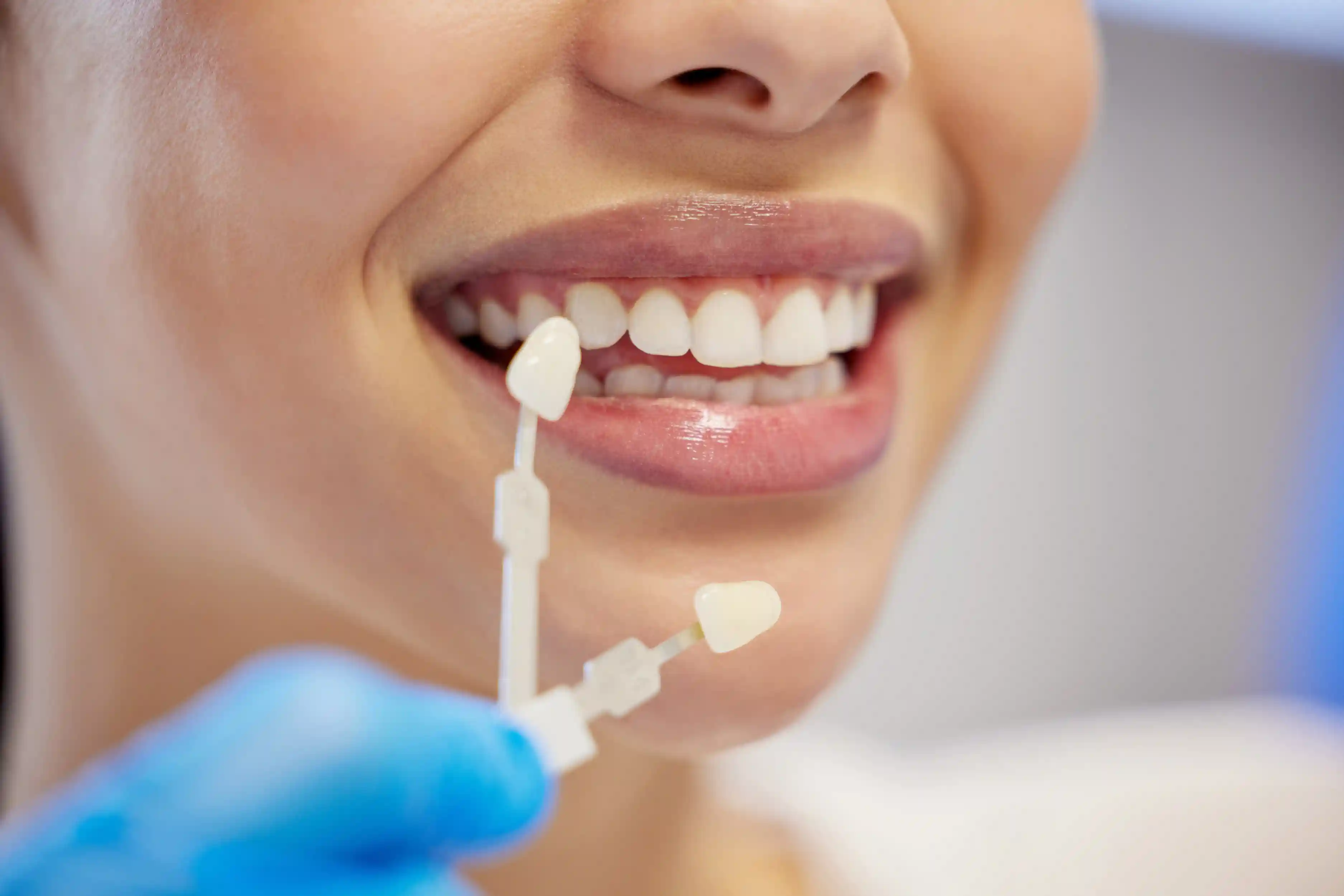
Shade matching is important in this area. The dentist chooses a resin color that works with your natural teeth, then shapes the material around your tooth size, smile line, and bite.
Because front teeth are used for biting and speaking, treatment planning matters. Tooth shape, tooth color, bite pressure, and facial balance should all be considered before the final material is placed.

Ready to Refresh Your Smile?
Book Your ConsultationWhat Happens During the Treatment
The procedure is usually simple and can often be completed in one visit, depending on how many teeth are being treated and how complex the repair is.
The typical process includes:
Shade selection
The dentist chooses a composite resin shade that matches your natural teeth.Tooth preparation
The tooth surface may be lightly prepared so the material can attach properly.Resin application
Tooth-colored resin is placed on the tooth and shaped to improve the area.Curing the material
A special light hardens the resin so it bonds to the tooth surface.Final shaping and polishing
The dentist adjusts the shape, checks your bite, and polishes the repair so it blends with your smile.
Most cases are conservative, but your dentist will explain whether numbing is needed based on the location and reason for treatment.
Key Benefits of This Cosmetic Option
This treatment can be helpful for patients who want a simple and conservative way to improve their smile.
Minimally Invasive Care
In many cases, little to no enamel removal is needed. This makes it less involved than some other cosmetic treatments.
Natural-Looking Appearance
The resin can be matched to your tooth shade and polished so it blends with nearby teeth.
Same-Day Improvement
Many small repairs can be completed in one visit, especially when only one or a few teeth need treatment.
Useful for Minor Repairs
This option can improve small chips, minor cracks, worn edges, small gaps, and mild shape concerns.
More Budget-Friendly Than Some Alternatives
Composite repair is often less expensive than porcelain veneers or crowns, although the exact cost depends on the case.
Conservative Treatment Planning
Because it often requires less tooth alteration, it may be a good first step for small cosmetic improvements.
Are you're considering dental bonding in Chicago?
We'd love to help you fix that chip, gap, or small flaw quickly and gently. Call or text us at (224) 249-5977 or book online to get started.
Bonding Compared With Veneers
Bonding and veneers can both improve the appearance of teeth, but they are used in different situations.
Composite resin is placed directly on the tooth and shaped in the dental chair. It is often best for smaller repairs, limited gaps, minor shape changes, and quick cosmetic improvements. It is usually more affordable than porcelain, but it may stain or chip sooner.
Veneers are thin shells placed over the front surfaces of teeth. They may be better for larger cosmetic changes involving tooth shape, size, color, or several front teeth. Porcelain veneers are often more stain-resistant and longer-lasting, but they usually cost more and may require enamel removal.
Bonding Compared With Crowns
A resin repair is usually used for smaller cosmetic concerns. A crown covers the entire visible part of a tooth and is often recommended when the tooth needs more strength or protection. If a tooth is too damaged for a small repair, same-day dental crowns may be recommended.
| Feature | Composite Bonding | Dental Crown |
|---|---|---|
| Main Purpose | Repairs smaller cosmetic concerns | Restores teeth that need more strength or protection |
| Coverage | Repairs only the affected area of the tooth | Covers the entire visible part of the tooth |
| Best For | Small chips, minor cracks, small gaps, mild discoloration, and uneven edges | Large breaks, weak teeth, teeth with large fillings, and root canal-treated teeth |
| Strength | Suitable for minor repairs and cosmetic improvements | Better for teeth that need stronger full-coverage protection |
| Chewing Pressure | Better for low-pressure areas | Better for back teeth under heavier chewing pressure |
| Recommended When | The tooth structure is mostly healthy | The tooth needs more support, protection, or long-term stability |
What Affects the Cost of Treatment
The cost depends on the number of teeth being treated, the size of the repair, the location of the tooth, the amount of shaping needed, and whether other dental care is needed first.
A small chip on one tooth may cost less than reshaping several front teeth as part of a cosmetic smile improvement. If the tooth has decay, gum problems, or deeper damage, your dentist may need to treat those concerns first.
Dental insurance may not cover treatment when it is done only for cosmetic reasons. If the repair is needed to restore damaged tooth structure, coverage may vary by plan. A dental exam is the best way to receive an accurate estimate.
Tooth Shade and Whitening Before Cosmetic Repair
Composite resin does not whiten the same way natural teeth do. This matters if you are planning both teeth whitening and resin-based tooth repair.
If you want a brighter smile, your dentist may recommend whitening your natural teeth before choosing the resin shade. Once the material is placed, it is matched to your current tooth color. If you whiten later, your natural teeth may become lighter while the repaired area stays the same shade.
For this reason, patients with tooth discoloration may want to discuss professional teeth whitening before treatment.
Expected Lifespan and Maintenance
Dental bonding can last for several years, but it does not last forever. The lifespan depends on your bite, oral habits, tooth location, diet, hygiene, and how well the repaired tooth is protected.
Repairs on front teeth may last longer when patients avoid biting hard objects, chewing ice, opening packages with their teeth, or biting fingernails. Composite resin can chip, stain, or wear down over time, especially when exposed to heavy pressure.
If the repaired area becomes rough, stained, chipped, or loose, a dentist may be able to polish, repair, or replace it.
Caring for Bonded Teeth
Bonded teeth should be cared for like natural teeth. Good oral hygiene and regular dental visits help protect both the resin material and the tooth underneath it.
To care for your results:
Brush twice daily
Floss every day
Visit the dentist for routine checkups
Avoid chewing ice or hard objects
Avoid using teeth as tools
Limit dark drinks that may stain resin
Avoid smoking or tobacco use
Wear a nightguard if your dentist recommends one
Call your dentist if the repaired area feels sharp or loose
For ongoing prevention, routine dental checkups can help keep your teeth and restorations healthy.
Final Thoughts
Dental bonding is a conservative cosmetic treatment that can improve small chips, minor cracks, small gaps, uneven edges, tooth discoloration, and front tooth appearance. It uses tooth-colored composite resin that is shaped and polished to blend with your natural smile.
This option may be a good choice if you want a simple repair or small smile improvement without a more involved treatment. However, veneers, crowns, whitening, or other cosmetic dental treatments may be better for larger changes or more damaged teeth.
A cosmetic consultation can help you decide which option fits your smile goals, oral health, and budget.
Improve the Details That Shape Your Smile
We can help you compare bonding, veneers, whitening, or crowns and choose the option that best fits your smile goals.
Schedule a Cosmetic Dental Consultation
If you want to improve a chipped, gapped, uneven, or discolored tooth, schedule a visit to discuss cosmetic bonding, veneers, whitening, crowns, and other smile improvement treatments.