Call or Text


Tags :
#Implant RestorationWhat Is Dental Implant Restoration and How Does It Work?


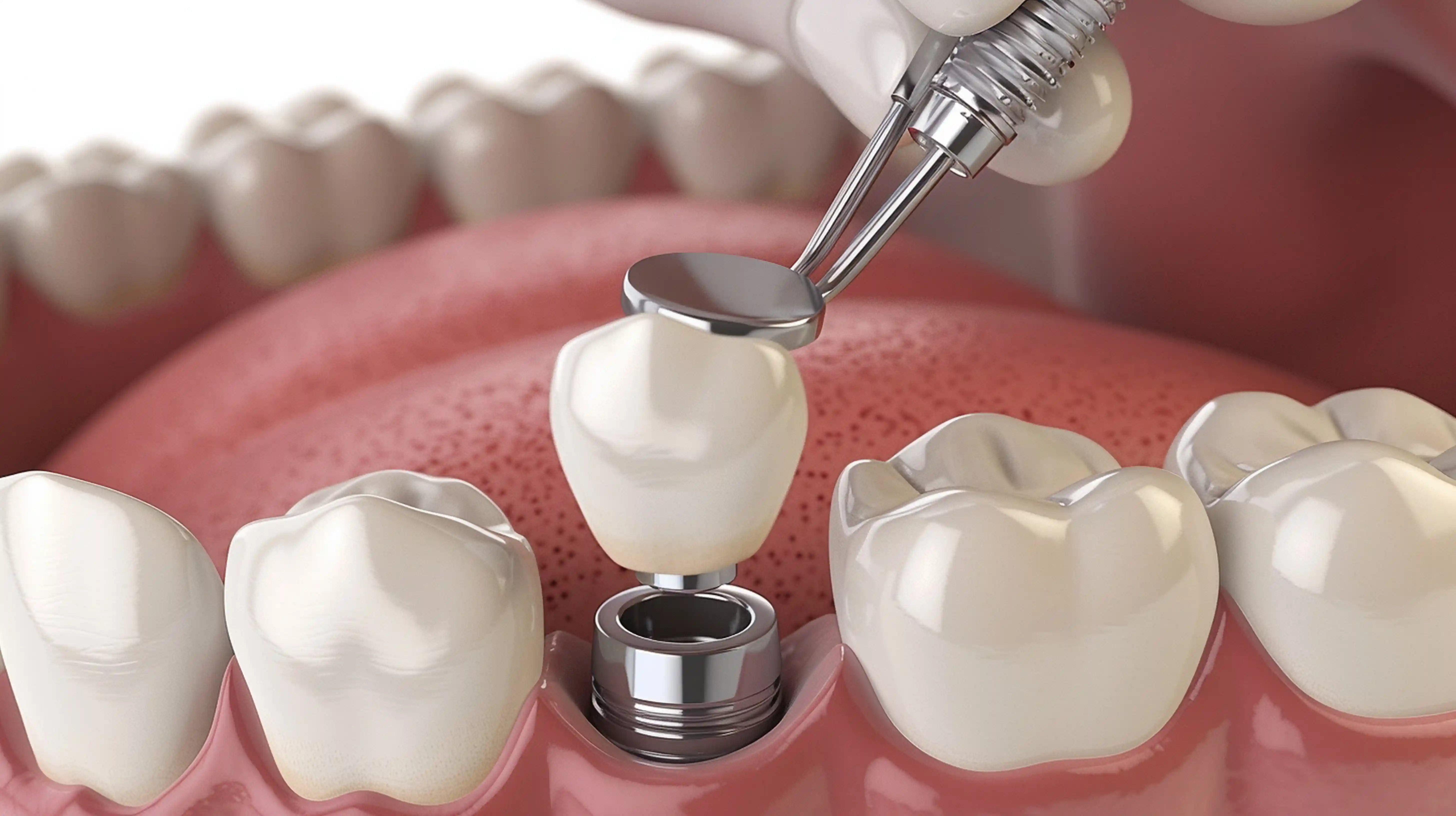
Dental implant restoration is the process of attaching a replacement tooth to a dental implant after the implant has been placed and healed. The dental implant acts like an artificial tooth root, while the restoration is the visible tooth, bridge, or denture that helps restore chewing function and smile appearance.
A dental implant restoration may be used to replace one missing tooth, several missing teeth, or a full arch of teeth. Depending on your treatment plan, the final restoration may be an implant-supported crown, implant bridge, implant-supported denture, or full arch restoration.
If you are missing a tooth and want a long-term replacement option, our team can help you understand whether implant treatment is right for your smile.
Dental Implant Restoration Explained
A dental implant has two main jobs. First, it replaces the missing tooth root by sitting in the jawbone. Second, it supports the replacement tooth that appears above the gumline.
The restoration is the part that completes the implant treatment. It is custom-made to match your bite, tooth shade, smile shape, and chewing needs. For one missing tooth, the restoration is usually a dental implant crown. For multiple missing teeth, the restoration may be an implant-supported bridge. For a full arch of missing teeth, the restoration may be an implant-supported denture or fixed full arch restoration.
Dental implant restoration is important because the implant post alone does not look or function like a tooth. The visible restoration is what allows the implant to help with eating, speaking, and smiling.
The Main Parts of a Dental Implant
A complete dental implant system usually includes three important parts: the implant post, the abutment, and the final restoration.
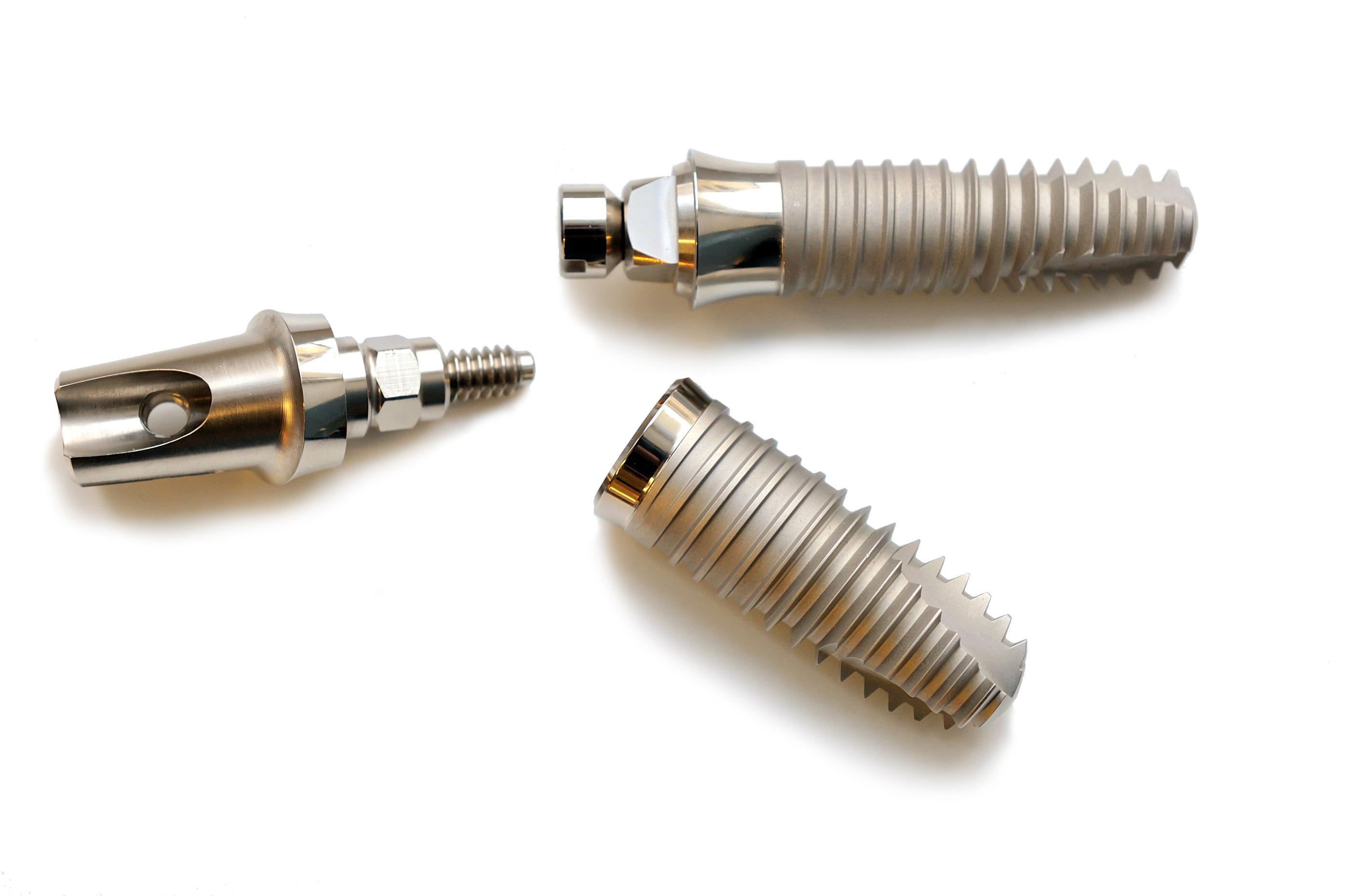
Implant Post
The implant post is placed in the jawbone and acts like an artificial tooth root. Many implant posts are made from titanium or other biocompatible materials. After placement, the implant needs time to heal and connect with the surrounding bone.
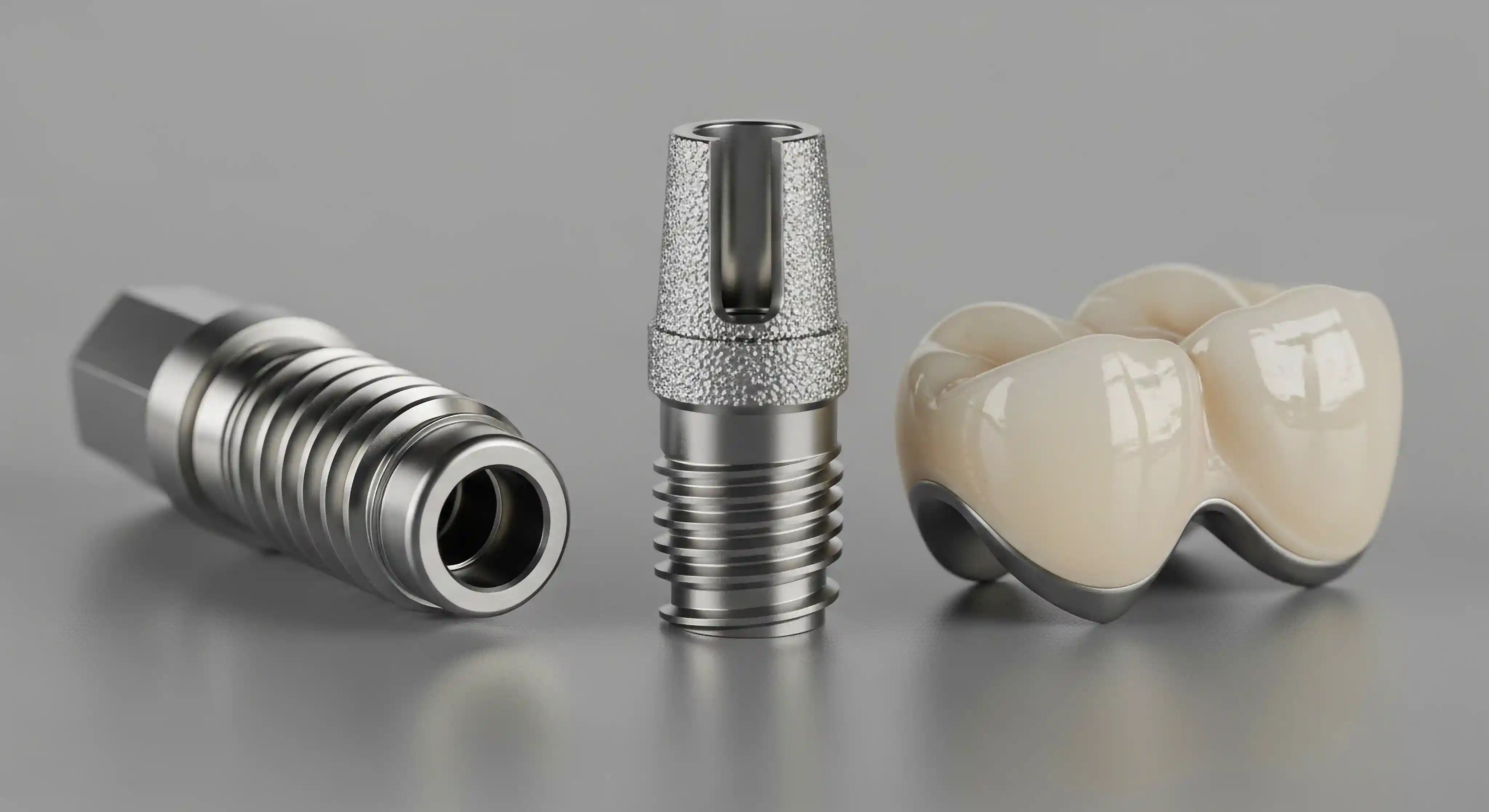
Abutment
The abutment is the connector between the implant post and the final restoration. It extends above the gumline and helps support the implant crown, bridge, or denture.

Final Restoration
The final restoration is the visible replacement tooth or teeth. This may be a custom dental implant crown, implant-supported bridge, implant denture, or full arch restoration.
Implant Crown Restoration for One Missing Tooth
A single tooth implant restoration is commonly used when one tooth is missing. The implant post replaces the missing tooth root, the abutment connects the implant to the crown, and the custom crown replaces the visible tooth.
An implant-supported crown is designed to blend with nearby teeth. The dentist considers tooth shade, shape, size, gumline, and bite alignment before placing the final implant crown.
This option may be helpful for patients who want a fixed replacement tooth that does not rely on removable dentures or reshaping nearby healthy teeth.
Implant-Supported Bridges for Multiple Missing Teeth
An implant-supported bridge can replace several missing teeth in a row. Instead of placing one implant for every missing tooth, a dentist may use implants to support a bridge that fills the missing space.
This type of implant restoration can help restore chewing ability and improve smile appearance when multiple teeth are missing. It may also provide more stability than a removable partial denture.
The right plan depends on the number of missing teeth, jawbone support, gum health, bite pressure, and the position of the missing teeth.
Full Arch Implant Restorations
Full arch restoration is used when a patient is missing most or all teeth in the upper jaw, lower jaw, or both. In this case, implants can support a full set of replacement teeth.
Full arch implant restorations may include implant-supported dentures, fixed implant bridges, or All-on-4 dental implants. These options are designed to improve stability compared with traditional removable dentures.
If you are missing most or all of your teeth, All-on-4 dental implants may be a useful treatment option to explore.

Ready to Complete Your Implant?
Book Your ConsultationThe Dental Implant Restoration Process
Dental implant restoration usually happens in stages. The exact timeline depends on your oral health, healing, bone support, and treatment plan.
Implant Evaluation
The process starts with an exam, X-rays, or digital imaging. Your dentist checks your gums, jawbone, bite, missing tooth area, and overall oral health.
Implant Placement
The implant post is placed in the jawbone. This post is designed to act like an artificial tooth root and support the future restoration.
Healing and Osseointegration
After implant placement, the implant needs time to heal. During this stage, the surrounding bone connects with the implant surface. This healing period helps create support for the final restoration.
Abutment Placement
Once healing is complete, the abutment may be attached to the implant. The abutment connects the implant post to the final crown, bridge, or denture.
Custom Restoration Design
The final restoration is planned around your bite, tooth shade, gumline, and smile. A dental lab or digital design process may be used to create the custom crown, bridge, or denture.
Final Restoration Placement
The dentist places the final implant restoration and checks the fit, bite, comfort, and appearance. Adjustments may be made so the replacement tooth feels comfortable when you chew.
Healing Before the Final Implant Crown
The final dental implant crown is not always placed immediately after implant surgery. In many cases, the implant needs time to heal with the jawbone before the permanent implant restoration is attached.
This healing stage matters because the final crown, bridge, or denture needs strong support. Placing too much pressure on an implant too early may affect healing in some cases.
Some patients may receive a temporary restoration during healing, especially in visible areas. Your dentist will explain whether a temporary tooth is appropriate for your case.
Regular Dental Crown compared with Dental Implant Crown
| Feature | Regular Dental Crown | Dental Implant Crown |
|---|---|---|
| Support | Covers a natural tooth shaped by the dentist | Attaches to an abutment connected to an implant post |
| Used for | Damaged, cracked, weak, or root canal-treated teeth | Replacing the visible part of a missing tooth |
| Natural Tooth | Keeps and protects the existing tooth | Does not cover a natural tooth |
| Placement | Sits above the natural tooth | Sits above an implant placed in the jawbone |
| Best Option When | The natural tooth can still be saved | The tooth is missing or cannot be saved |
Dental Implant Repair and Replacement
Dental implant restoration can also refer to repairing or replacing the visible restoration attached to an implant. The implant post itself may stay stable, but the crown, bridge, abutment, or denture can sometimes need attention.
You should contact a dentist if your implant crown feels loose, cracks, chips, feels uncomfortable, or no longer fits your bite correctly. You should also schedule an evaluation if the gums around the implant are swollen, bleeding, painful, or difficult to clean.
A dentist can check whether the issue is with the crown, abutment, surrounding gum tissue, bite pressure, or implant support.
Natural-Looking Implant Restorations
A dental implant restoration should be planned to look natural and function comfortably. The dentist considers the color, shape, size, and position of nearby teeth when designing the final implant crown or bridge.
For front teeth, appearance is especially important. The tooth shade, gumline, smile line, and spacing all affect the final result. For back teeth, chewing strength and bite alignment are major priorities.
A natural-looking tooth implant restoration should not only fill the missing space. It should also support your bite, blend with your smile, and feel comfortable during daily use.
If your treatment is part of a larger smile improvement plan, cosmetic dentistry may also be helpful.
Caring for a Dental Implant Restoration
Dental implant restorations need daily care. Although an implant crown cannot get a cavity, the gums and bone around the implant still need to stay healthy.
To care for your implant restoration:
Brush twice daily
Clean around the implant as recommended
Floss or use special cleaning tools if advised
Visit your dentist for routine checkups
Avoid chewing ice or hard objects
Wear a nightguard if you grind your teeth
Report looseness, pain, swelling, or bite changes
Good oral hygiene helps protect the gum tissue and bone support around the implant. Regular dental visits also allow your dentist to check the restoration, bite, and implant area over time.
For ongoing preventive care, routine dental checkups can help support long-term implant health.
Cost Factors for Dental Implant Restoration
The cost of dental implant restoration depends on several factors, including the type of restoration, number of missing teeth, materials used, abutment type, dental lab work, imaging, and whether additional treatment is needed.
A single implant crown usually has a different cost than an implant-supported bridge or full mouth implant restoration. The final estimate may also depend on whether you need bone grafting, tooth extraction, temporary teeth, or replacement of an older implant restoration.
Your dentist can provide a personalized estimate after examining your mouth, reviewing X-rays, and discussing your treatment goals.
Implant Restoration and Long-Term Function
Dental implant restoration is designed to restore more than appearance. A well-planned implant crown, bridge, or denture can help improve chewing function, support speech, and fill the space left by missing teeth.
The long-term success of implant treatment depends on good planning, healthy gum tissue, stable bone support, proper bite alignment, and consistent home care. Patients should keep regular dental visits so the dentist can monitor the implant restoration and surrounding tissues.
Final Thoughts
Dental implant restoration is the part of implant treatment that gives you the visible replacement tooth. The implant post replaces the missing tooth root, the abutment connects the implant to the restoration, and the final crown, bridge, or denture restores appearance and function.
A dental implant restoration may replace one tooth, several teeth, or a full arch of missing teeth. The best option depends on your oral health, bone support, bite, number of missing teeth, and long-term goals.
If you are missing a tooth or need an implant crown restoration, schedule a consultation to learn which treatment option is right for your smile.