Call or Text

What Is Teeth Bonding? Benefits, Procedure & Cost


Learn what teeth bonding is, how dental bonding works, its benefits and uses, how long it lasts, and how it compares with veneers and other treatments.
Teeth bonding, also called dental bonding or composite bonding, is a dental treatment that uses tooth-colored composite resin to improve the shape, color, or appearance of a tooth. It may also be used to repair certain small chips, worn edges, or minor areas of damage.
Bonding is often considered for patients who want to improve small cosmetic concerns without more extensive treatment. However, it is not appropriate for every dental problem. The condition of the tooth, bite, gum health, and amount of damage should be evaluated before treatment is recommended.
What Can Dental Bonding Improve?
Dental bonding can address several minor cosmetic and restorative concerns.
It may be considered for:
Small chips in teeth
Minor cracks or worn edges
Small gaps between teeth
Uneven tooth shapes
Teeth that appear slightly short
Minor areas of discoloration
Small cosmetic imperfections
Selected exposed root surfaces
Bonding changes the visible shape or surface of a tooth. It does not physically move teeth or correct underlying bite problems.
Chipped or Minor Cracked Teeth
Composite resin can sometimes be used to rebuild a small chipped area and restore a smoother tooth shape.
Whether bonding is appropriate depends on how much tooth structure has been damaged. A deeply cracked, weakened, or heavily restored tooth may require a crown or another restorative treatment instead.
Small Gaps Between Teeth
Bonding may help close a small cosmetic gap by adding composite material to one or both teeth beside the space.
This changes the shape of the teeth rather than moving them. If several gaps are present or the spacing is related to tooth position or bite alignment, clear aligners or another orthodontic treatment may be more appropriate.
Uneven Tooth Shape or Size
Teeth that look slightly uneven, short, or irregular can sometimes be reshaped with composite bonding.
The dentist can add and contour resin to create a more balanced appearance while considering the surrounding teeth and bite.
Minor Tooth Discoloration
Bonding may be used to cover selected areas of discoloration that do not respond well to whitening.
However, composite resin does not whiten in the same way as natural tooth enamel. If teeth whitening is also part of your smile goals, your dentist may recommend completing whitening before choosing the final bonding shade.
How the Teeth Bonding Procedure Works
The exact dental bonding process depends on the tooth and the reason for treatment, but it generally involves a few straightforward steps.
Tooth and Shade Evaluation
The dentist first examines the tooth and surrounding gums to determine whether bonding is suitable.
A composite shade is selected to blend with the natural teeth.
Composite Resin Application
The tooth surface is prepared so the bonding material can attach properly. Tooth-colored composite resin is then applied to the selected area.
Shaping and Sculpting
The dentist shapes the resin to improve the tooth's contour, edge, or appearance.
This step is important because the final result should also fit comfortably with the patient's bite.
Hardening and Polishing
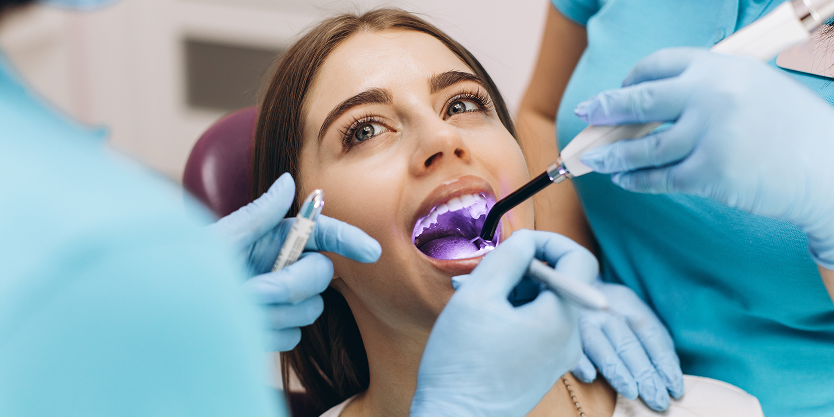
A curing light is used to harden the composite material. The dentist then makes final adjustments and polishes the bonded area so it blends more naturally with the surrounding tooth.
Depending on the number of teeth and complexity of treatment, bonding may sometimes be completed during a single appointment.
Benefits of Dental Bonding
Dental bonding may offer several advantages for appropriately selected cases.
Conservative Treatment
Bonding often requires less alteration of natural tooth structure than treatments such as porcelain veneers or full dental crowns.
The amount of tooth preparation varies depending on the condition being treated.
Tooth-Colored Appearance
Composite resin is available in different shades and can be selected to blend with nearby teeth.
The goal is to make the repair fit naturally with the existing smile rather than create an artificial-looking result.
Useful for Several Minor Concerns
Bonding can sometimes address multiple small cosmetic concerns, including chips, small gaps, uneven edges, and minor shape differences.
However, larger structural problems or significant alignment concerns may require a different treatment.
Who May Be a Good Candidate for Dental Bonding?
Dental bonding may be considered for patients with relatively healthy teeth and gums who want to address minor cosmetic or structural concerns.
Potential candidates may have:
Small chips
Minor gaps
Uneven tooth edges
Slight differences in tooth shape
Minor discoloration
Small areas of wear
Enough healthy tooth structure to support the repair
Before bonding, your dentist may check for cavities, gum disease, cracks, bite problems, or other conditions that could affect the treatment.
If the tooth has extensive decay, a large fracture, significant structural weakness, or another major problem, bonding may not provide enough support.
Dental Bonding vs Veneers
Bonding and veneers can both improve tooth appearance, but they are different treatments.
| Dental Bonding | Veneers |
|---|---|
| Uses composite resin | Often made from porcelain or composite |
| Usually requires minimal preparation | May require more tooth preparation |
| Often used for smaller cosmetic changes | Can address broader changes in shape, color, and appearance |
| Composite may stain or wear over time | Porcelain generally resists staining better |
| Can often be repaired directly | Repair or replacement may be more involved |
Neither treatment is automatically better. The right option depends on the tooth condition, cosmetic goals, bite, and how much change is needed.
Dental Bonding vs Dental Crowns
Dental bonding is generally used for smaller repairs or cosmetic changes.
A dental crown covers much more of the tooth and may be recommended when the tooth needs greater structural protection.
A crown may be considered for teeth with:
Large fractures
Extensive decay
Large existing fillings
Significant wear
Structural weakness
Damage after certain root canal treatments
If the tooth is healthy and only needs a minor cosmetic change, bonding may be the more conservative option.
Dental Bonding vs Clear Aligners
Bonding and clear aligners solve different problems.
Dental bonding changes tooth shape.
It may make a small gap or slightly uneven tooth look different without moving the tooth.
Clear aligners move teeth.
They are used when the tooth position, spacing, crowding, or bite needs orthodontic correction.
A dental evaluation can determine whether your concern is primarily cosmetic or related to actual tooth alignment.
How Long Can Dental Bonding Last?
There is no single lifespan that applies to every bonded tooth.
How long bonding remains in good condition can depend on:
Location of the bonded tooth
Amount of composite material used
Bite pressure
Teeth grinding or clenching
Chewing habits
Oral hygiene
Diet
Regular dental maintenance
Composite material can chip, wear, or become stained over time. Some bonded areas may eventually need polishing, repair, or replacement.
Factors That Can Affect Bonding Results
Tooth Condition
Bonding generally works better when there is enough healthy tooth structure to support the composite material.
Teeth with extensive decay or fractures may need a different restoration.
Bite and Oral Habits
Heavy biting forces, teeth grinding, nail biting, chewing ice, or using teeth to open objects can place additional stress on bonded areas.
Daily Maintenance
Good brushing, flossing, and routine dental visits can help maintain both the bonded area and the surrounding natural tooth.
How to Care for Bonded Teeth
Bonded teeth generally do not require a complicated care routine, but good daily habits are important.
To help protect dental bonding:
Brush twice daily with fluoride toothpaste.
Floss every day.
Avoid chewing ice and other very hard objects.
Do not use your teeth as tools.
Limit habits that contribute to staining.
Keep routine dental exams and cleanings.
Tell your dentist if the bonding feels rough, loose, or chipped.
Ask about a nightguard if you grind your teeth and your dentist believes one is appropriate.
Composite resin can stain over time, particularly with frequent exposure to tobacco, coffee, tea, or other strongly pigmented substances.
When Dental Bonding May Not Be the Right Option
Bonding is useful for many minor concerns, but it should not be presented as a solution for every cosmetic or damaged tooth.
Another treatment may be more appropriate when there is:
Extensive tooth decay
A large fracture
Significant structural weakness
Severe tooth wear
Major bite problems
Significant crowding or tooth misalignment
Active gum disease
Heavy grinding that cannot be adequately managed
The goal is to choose a treatment that supports both appearance and long-term dental health.
Can Dental Bonding Be Repaired or Replaced?
Yes. Composite bonding can often be repaired if a small area chips or wears.
In other situations, the existing material may need to be removed and replaced. The dentist will first check the natural tooth underneath and determine why the bonding failed or changed.
Repeated damage may indicate an underlying bite issue, teeth grinding, or a larger structural problem that needs a different treatment approach.
Choosing Between Bonding and Other Cosmetic Treatments
Dental bonding is only one option for improving a smile.
Depending on your concern, your dentist may discuss:
Bonding: for small chips, gaps, or shape changes.
Veneers: for broader changes involving tooth shape, size, color, or visible imperfections.
Teeth whitening: for natural teeth affected primarily by staining or discoloration.
Clear aligners: when teeth need to be physically repositioned.
Dental crowns: when a damaged or weakened tooth needs more extensive coverage and protection.
A cosmetic dental consultation can help determine which option fits your tooth condition and treatment goals.
Interested in Improving Your Smile With Dental Bonding?
Dental bonding may help improve small chips, gaps, uneven edges, or other minor cosmetic concerns. Mesa Street Dental can evaluate your teeth and explain whether bonding or another cosmetic treatment may be appropriate for your smile